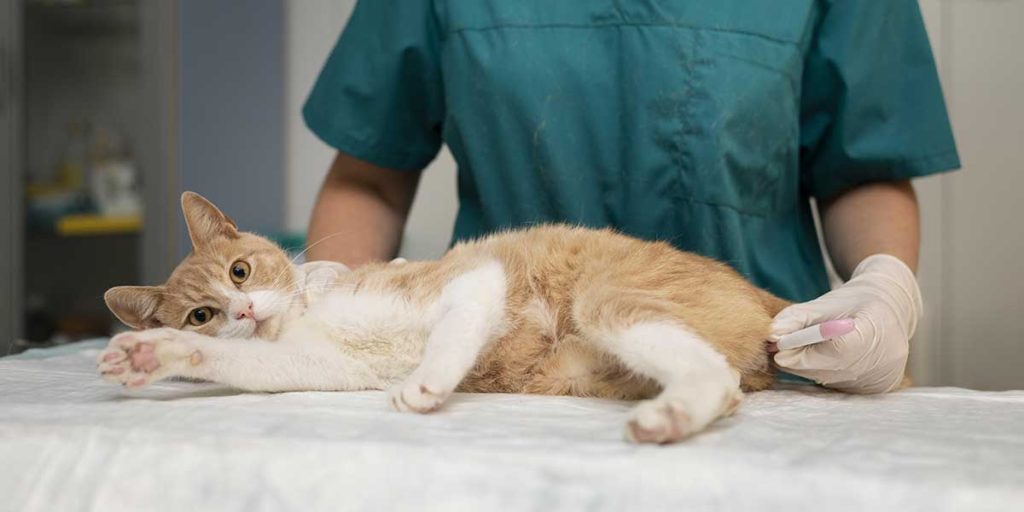
How To Tell If Your Cat Has an Infection After Surgery
The days and weeks after your cat’s surgery are crucial to their long-term recovery. During this period, taking steps to care for your kitty’s incision site, prevent them from bothering it, and keep them calm, rested, and hydrated all play a vital role in the recovery process.
Surgical incisions create an opportunity for germs and bacteria to enter your cat’s body, which is why there is always a risk of post-surgical infections. But knowing the signs of infection in cats after surgery, and the steps to take to prevent infection, can help you keep them healthy and purring during this stressful time.
If you’re ever unsure whether your cat is showing signs of infection, reach out to a Queen Creek veterinarian as soon as possible for guidance.
How Do Infections Arise After Cat Surgery?
To comprehensively understand post-surgical infections, you must first know how they develop.
Surgical site infections (SSIs) occur when germs and bacteria enter the body during or after surgery. Whether your cat underwent a simple spay or neuter surgery or a more complex procedure, it likely left them with an incision that needs time to heal. During the healing process, the incision is essentially an open wound, and bacteria can enter the body through this wound to create an infection.
Veterinarians take care to keep the surgical site clean and close it with stitches or sutures after the surgery, but bacteria may still penetrate due to:
- Contamination before, during, or after the procedure
- Your kitty’s weakened immune system due to conditions like FIV or FeLV
- Licking or chewing at the incision site
- Excessive movement after the surgery
- Improper post-operative care
Your veterinarian will give you post-surgical instructions to help prevent infection. However, sometimes infections still happen even with the best efforts from pet parents. If your kitty starts to develop signs of infection after surgery, taking quick action can prevent it from worsening and putting your cat’s health at risk.
Signs of Infection To Look For After Surgery
The signs of infection in cats after surgery are often relatively easy to notice. Keeping a close eye on your kitty in the days and weeks after surgery will help you quickly detect changes that may indicate infection. Be aware of certain signs that typically indicate an infection is present, including the following.
Swelling and Redness at the Surgical Site
Examine your cat’s surgery site daily to look for any abnormal signs or indications that it is not healing as it should. One common sign of infection is swelling or redness in the area.
While you may notice some redness or swelling on the day of surgery, the surgical site should not become redder as it heals. Any redness or even a small degree of swelling could indicate that the incision has become infected. If you’re unsure whether the incision looks abnormal, send a photo to your veterinarian or take your kitty in for an exam.
Discharge From the Incision
On the day of surgery, you might notice a small amount of clear discharge from the incision. This is normal. However, any discolored, pus-like discharge in the days or weeks after surgery could indicate an infection.
Discharge is the immune system’s response to invasive bacteria. It forms when the body attempts to remove dead tissue. It might appear yellow, green, thick, or cloudy, depending on the type of bacteria.
Fever Symptoms
A fever is another indicator of infection after surgery. Your kitty’s body will raise its temperature in response to an infection.
You can monitor your cat’s temperature using a digital pet thermometer. If their rectal temperature exceeds 100.5 to 102.5 degrees Fahrenheit, the normal range in cats, they might have an infection. You can also look for other symptoms of a fever, such as lethargy, lack of appetite, decreased drinking, and increased sleep.
Foul Odor
If you have noticed a foul or unpleasant odor from the incision site, this could also indicate an infection. Incisions sometimes give off a mild odor during the healing process, but any significant or worsening odor might warrant a trip to the vet. When in doubt, have your kitty checked out, as neglecting an infection will only lead it to worsen and put your cat’s health at risk.
Persistent Pain
It’s normal to see your cat in a small amount of pain and discomfort after the surgery, especially once their pain medication has worn off. However, their pain levels should improve over time, not worsen.
Signs that your cat is in pain include:
- Meowing
- Guarding the surgical site
- Lethargy or reluctance to move
- Decreased appetite
Cats do a good job of hiding when they are in pain. Any abnormal behaviors could indicate that they are feeling discomfort, even if they are mostly acting normal.
Lethargy
Lethargy in cats means a lack of energy. Your cat will likely feel a little less energetic after their surgery. Their body needs rest to heal, so it makes sense that they would sleep a lot and stray from their usual playful behavior.
However, if you notice that your cat becomes more lethargic over time, or they start acting fatigued after a few days of normal energy levels, this could be a sign of infection. Cats act lethargic when they don’t feel good, and infections take a toll on their bodies.
Loss of Appetite
Like lethargy, loss of appetite is another sign that your kitty is uncomfortable or in pain. Cats might not eat as much as normal after surgery, especially if they must wear a cone to prevent them from licking the surgical site. But if your cat’s appetite had returned for a few days after the surgery and then waned again, this might be a sign of infection.
It is important that your kitty get enough nutrients and water while recovering from surgery. Try feeding them wet food or even their favorite treats to ensure that they gain adequate nutrition. They can return to their normal, balanced diet after they fully recover and start feeling back to normal.
Behavioral Changes
Your cat likely won’t act exactly like their normal self during the surgery recovery process. But any significant behavioral changes, especially days or weeks after the surgery, might be a sign that something is wrong. These changes may include:
- Acting aggressively toward you or other pets in the house
- Eating or drinking less than normal
- Sleeping more than normal
- Grooming the same part of the body over and over
- Urinating outside of the litter box
- Isolating themself
- Changes in vocalization (yowling or raspy meowing)
Generally, any abnormal activity that persists for more than a day should prompt a visit to the veterinarian.
Slow or Halted Wound Healing
Your veterinarian will give you a rough timeline of the healing process after your kitty’s surgery. In the weeks ahead, you should notice the incision closing up, scabbing over, shrinking in size, and returning to a normal color.
Your cat will likely have a follow-up appointment a few weeks after the surgery so your vet can asses the incision, check the stitches and remove them if necessary, and monitor their progress. If the wound has not healed much by this appointment, they may treat your kitty for an infection.
What To Do If You Suspect an Infection After Surgery
Realizing your cat is showing signs of infection after surgery might feel stressful and worrisome. However, your veterinarian will do everything they can to treat the infection, prevent it from returning, and help your kitty get back to their normal self.
Taking the right steps after seeing signs of infection can improve your cat’s outcomes. Here’s what to do if you notice any of the above signs.
- Contact your vet. Reach out to your vet as soon as possible. They will advise you on what to do next. They may want you to send photos of the incision site so they can review it. Alternatively, they may request that you bring your kitty in for an exam. Don’t hesitate to contact your vet even if you aren’t sure whether your cat is showing signs of infection; it’s better to be safe than sorry.
- Follow your vet’s orders. If the vet determines your cat does have an infection, they will likely prescribe antibiotics to kill the bacteria. They may also prescribe other medications, such as pain medications, anti-inflammatory drugs, or antihistamines, to treat the symptoms of the infection. Be sure to give your kitty these medicines as prescribed and verify that they swallow them.
- Continue monitoring your cat closely. After your cat receives treatment for the infection, they should start feeling better within a few days. Continue monitoring their symptoms and behavior closely to determine whether the infection is healing. If instructed by your vet, keep the incision clean and dry and change the bandages as directed. Prevent your cat from interfering with the incision by monitoring them and keeping a cone or protective vest on them at all times.
How To Prevent Post-Surgical Infections
Infections are not always preventable after surgery. Even if you do everything exactly right, bacteria might still find their way into the incision. But you can take measures to minimize the risk of infection:
- Keep the cone or protective vest on. While your cat might feel uncomfortable wearing their cone or other protective clothing, it prevents them from messing with the incision site. Keep this gear on until the incision has fully healed.
- Monitor your kitty closely. In the first few days and even weeks after your cat’s surgery, keep a close eye on them. Stay in the same room as them as much as possible, or keep a camera on them while you are away. This can help you notice any issues quickly and seek treatment before they worsen.
- Keep the incision clean and dry. If the incision becomes dirty, ask your vet about how you should clean it. They might recommend gently wiping it with saline solution. Don’t touch the incision or apply any creams, ointments, or medications to it without first contacting your vet.
- Restrict their activity. It’s important to keep your cat calm in the first few days after surgery. This may involve separating them from other pets in the house who are more energetic and might try to play or start fights with your kitty.
Trust Revel Vet With Your Cat’s Surgery and Post-Surgical Care
At Revel Vet, we understand that helping your cat through surgery can be distressing. You want the best for your kitty, and our veterinarians, vet techs, and entire staff do, too.
Our fear-free small animal hospital provides compassionate surgical care. Let us help you recognize the signs of infection in cats after surgery and provide empathetic, expert care to help them heal. We also give pet parents thorough post-operative instructions and check in with them regularly to monitor their furry friends’ recovery.
Contact us today at 480-701-8609 to speak with our vets, or learn more about finding a veterinarian.
Frequently Asked Questions
How long after surgery can an infection develop in cats?
An infection might develop anywhere from a few days to a few weeks after surgery. It’s important to keep a close eye on your cat and monitor them for signs of infection until your vet has given them the all-clear.
How long do you need to keep the e-collar on?
You should generally keep an e-collar on your cat until the incision has healed, unless you receive other instructions from your veterinarian. You want to prevent your cat from pawing at or licking the incision until it has closed up and bacteria cannot be introduced into it.
When should you be concerned about your cat after surgery?
You should contact a vet after your cat’s surgery if they begin acting lethargic, their normal behaviors change, or the incision looks abnormal. These could be signs of infection in cats after surgery, and prompt intervention from your vet is necessary to prevent it from worsening.