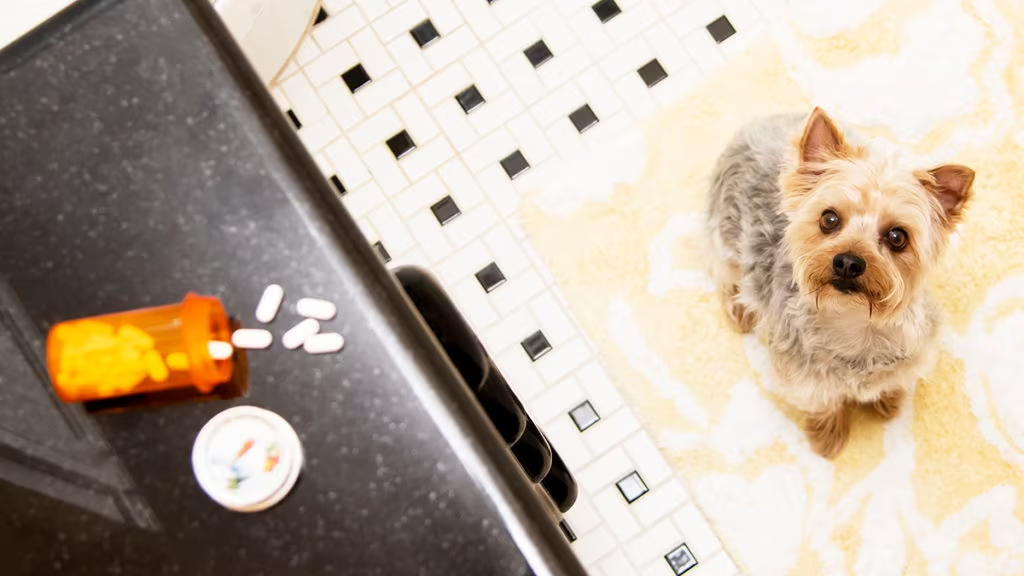
Household Toxins Pet Owners Need to Be Aware Of
Identifying and managing household toxins is critical for keeping pets safe, as many everyday items in your home can pose serious health risks to animals. By being aware of these dangers and taking preventive measures, pet owners can significantly reduce the likelihood of accidental poisonings.
Think of pet-proofing your home as being similar to baby-proofing. Anything that shouldn’t be touched that’s within reach should be moved. Common sources of toxins in the home environment include cleaning products, human medications, certain foods, plants, and chemicals like pesticides and automotive fluids. Each of these can be harmful or even fatal if ingested or exposed to pets.
Common Household Toxins and Pets
Exposure to household toxins can lead to severe health issues, making it essential for pet owners to identify and manage potential dangers. Get down on your dog’s level– what do you see?
Cleaning Products
- Respiratory distress
- Chemical burns
- Poisoning
- Possible organ damage
For example, bleach fumes can irritate a pet’s respiratory system, leading to coughing, sneezing, and difficulty breathing, while ammonia can cause severe eye and skin irritation.
Considering Green Cleaning Alternatives
To protect your pets from the toxins in daily cleaning products, it’s important to consider using pet-friendly, non-toxic cleaning alternatives. These alternatives are made from natural ingredients that are safer for pets, like vinegar, baking soda, and plant-based cleaners. Not only do these options reduce the risk of harmful exposure, but they are also effective at keeping your home clean and fresh.
Store Cleaning Products Safely
In addition to choosing safer cleaning products, it’s crucial to store all cleaning supplies out of your pets’ reach, preferably in a secure cabinet or high shelf. Pets are naturally curious, and they may chew on bottles or explore areas where chemicals are used, putting them at risk.
Rinse Surfaces to Remove Residue
After cleaning, always make sure to thoroughly rinse and dry any surfaces before allowing your pets back into the area. Even if you’re using non-toxic products, residues can still be harmful if licked or inhaled. By taking these precautions, you can help create a safer environment for your pets and reduce the risk of accidental poisoning or injury.
Human Medications
Human medications, including painkillers, antidepressants, and cold medicines, are some of the most common and dangerous household toxins for pets. These medications, which are formulated specifically for humans, can have toxic effects on animals, even in small amounts. Some examples include:
- Acetaminophen: A single tablet of acetaminophen, a common pain reliever, can cause severe liver damage in dogs and be fatal to cats.
- Antidepressants: Antidepressants can lead to symptoms like vomiting, tremors, and seizures.
- Cold medications: Cold medicines containing ingredients like pseudoephedrine or decongestants can cause rapid heart rate, high blood pressure, and neurological problems in pets.
Appropriate Storage
Given the serious health risks posed by human medications, proper storage and disposal are essential to keeping pets safe. Medications should always be kept in secure, pet-proof containers and stored out of reach, ideally in a locked cabinet.
Keep in mind, pets are often more agile and determined than we might think, so simply placing medications on countertops, nightstands, or in easily accessible drawers is not enough to prevent curious pets from getting into them.
Disposal of Medications
Remain vigilant about disposing of unused or expired medications properly. Never leave pills in trash cans where pets can easily rummage through and potentially ingest them. Instead, consider using a medication disposal service, taking advantage of drug take-back programs, or following specific disposal instructions that may come with the medication. By ensuring that medications are securely stored and properly discarded, pet owners can significantly reduce the risk of accidental poisoning and protect their pets from serious harm.
Foods Harmful to Pets
Certain foods that are harmless or even beneficial to humans can be highly toxic to pets. Common foods that are dangerous include:
- Chocolate: Contains theobromine, which can cause vomiting, diarrhea, rapid heart rate, and even seizures.
- Grapes and raisins: Can lead to kidney failure, even in small amounts.
- Onions and garlic: Contain compounds that can damage red blood cells, leading to anemia.
- Xylitol (found in sugar-free gum and candies): Can cause a rapid insulin release, leading to hypoglycemia, seizures, and liver failure.
It’s important to be aware of these foods and ensure they are kept out of reach of pets. Keep in mind that this isn’t a comprehensive list. If you aren’t 100% sure a certain food is safe, do your research or give Revel Vet a call.
Signs of Toxicity to Watch For
There are general signs to be aware of, especially if you aren’t sure whether or not your pet ingested a toxic food. If ingestion is suspected, immediate veterinary attention is crucial. Signs to watch for include:
- Vomiting
- Lethargy
- Loss of appetite
- Changes in behavior
Plants That Are Toxic to Pets
Many common houseplants are toxic to pets, and ingestion can lead to serious health problems. There’s quite a long list of toxic plants, but some of the most dangerous plants include:
- Lilies: Highly toxic to cats, even a small amount can cause kidney failure.
- Aloe vera: Can cause vomiting, diarrhea, and tremors in pets.
- Philodendrons: Can lead to oral irritation, excessive drooling, and difficulty swallowing.
To keep your pets safe, it’s essential to research plants before bringing them into your home or garden. Opt for pet-safe plants like spider plants, Boston ferns, or African violets. Consider placing toxic plants in areas that are inaccessible to pets or using barriers to prevent access.
Pesticides and Insecticides Are Dangerous to Pets and People
Pesticides and insecticides are commonly used in homes and gardens but can pose significant risks to pets (and their human counterparts) if ingested, inhaled, or absorbed through the skin. These chemicals can cause symptoms ranging from mild irritation to severe neurological damage or even death. They also often contain cancer-causing compounds.
To minimize the risk, opt for pet-safe alternatives such as diatomaceous earth or natural repellents. When using any pesticide or insecticide (even the natural ones), follow the instructions carefully, apply them in areas that are inaccessible to pets, and ensure that pets are kept away from treated areas until the product has dried or settled completely.
Be Wary of Automotive Products
Automotive products like antifreeze, motor oil, and other chemicals can be extremely dangerous to pets if ingested. Antifreeze, in particular, contains a compound called ethylene glycol, which has a sweet taste that can attract animals. Unfortunately, it’s highly toxic and can lead to kidney failure and death even in small amounts. Motor oil and other automotive fluids can cause:
- Severe gastrointestinal distress
- Neurological issues
- Organ damage
To prevent accidental ingestion, it’s crucial to store these products securely in areas that are inaccessible to pets. It can also help to promptly clean up any spills or leaks, and never leave open containers or unattended vehicles with potential leaks in areas where pets may roam.
The Danger of Rodenticides and Insect Baits
Rodenticides and insect baits are designed to attract and kill pests but can pose serious risks to pets if ingested. These products often contain potent toxins that can cause:
- Internal bleeding
- Neurological damage
- …and even death in pets
Even indirect exposure, like eating a poisoned rodent, can be fatal to our pets.
Consider Pet-Safe Repellents
To use these products safely, always place them in areas that are completely inaccessible to pets. Consider using pet-safe traps or repellents as alternatives, and consult with a pest control professional about the safest options for homes with pets. If you suspect your pet has ingested rodenticide or insect bait, seek emergency veterinary care immediately.
Signs of Toxin Exposure in Pets
Recognizing the symptoms of toxin exposure in pets is critical for prompt treatment and can significantly improve the chances of recovery. Common signs of poisoning include:
- Vomiting and diarrhea: Often the first signs of ingestion of a harmful substance.
- Lethargy: A sudden drop in energy or unusual tiredness.
- Seizures and tremors: Indicative of severe neurological distress.
- Excessive drooling or foaming at the mouth: Can occur with certain toxins, particularly those that irritate the mouth or throat.
- Difficulty breathing: A sign of respiratory distress, often seen with chemical exposure.
If you notice any of these symptoms, it’s important to contact a veterinarian immediately. Early recognition and treatment can be life-saving, and in many cases, prompt intervention can prevent more serious complications.
What to Do if Your Pet is Exposed to a Toxin
If you suspect that your pet has been exposed to a toxin, it’s essential to act quickly. Follow these steps to respond effectively:
- Stay calm: Panicking can make it harder to think clearly. Take a deep breath and focus on helping your pet.
- Remove the source: If possible, remove the toxin or take your pet away from the area to prevent further exposure.
- Check for symptoms: Look for signs of poisoning, like vomiting, drooling, difficulty breathing, or seizures.
- Contact your veterinarian immediately: Call your vet or an emergency animal clinic for advice on what to do next. Be prepared to provide details about the toxin, the amount ingested, and any symptoms your pet is showing.
- Call a Poison Control Hotline: For additional guidance, contact a pet poison control hotline, like the ASPCA Animal Poison Control Center (1-888-426-4435) or the Pet Poison Helpline (1-855-764-7661). They can provide specific instructions based on the toxin involved.
Your vet may advise you to bring your pet in immediately or administer first aid at home, such as inducing vomiting or giving activated charcoal. Always follow their instructions carefully and never try to induce vomiting without your vet’s recommendation. Sometimes, it can be more harmful than helpful.
The ‘To-Do List’ of Preventive Measures
The ultimate take-away is this list. Preventing toxin exposure is far easier than dealing with the aftermath. Here are some tips for pet-proofing your home:
- Store hazardous items securely: Keep all cleaning products, medications, automotive chemicals, and other potential toxins in cabinets or storage areas that are inaccessible to pets.
- Use pet-safe products: Whenever possible, choose pet-friendly alternatives for cleaning supplies, insecticides, and other household products.
- Be mindful of food and plants: Keep harmful foods and plants out of reach, and educate all household members about the dangers of feeding pets certain items.
- Regular vet check-ups: Regular veterinary visits are essential for early detection of any health issues and monitoring your pet for signs of toxin exposure. While some toxins cause immediate reactions, others may require time to build up in the body before symptoms begin.
Remain Proactive
Being aware of household toxins and taking proactive steps to prevent exposure is crucial for keeping your pets safe and healthy.
By understanding the potential dangers, recognizing the symptoms of poisoning, and implementing preventive measures, you can protect your pets from harmful substances in their environment.
Regular vet check-ups with Revel and immediate action if exposure occurs are key to ensuring the well-being of your furry family members.
For further reading, check out our sources:
Baseline knowledge of potential pet toxins: a survey of pharmacists – PMC
The Toxins Pets Most Often Ingest | ASPCApro
Toxic Disinfectants: What to Use and What Not to Use Around Your Pets – Veterinary Partner
Ethylene Glycol Toxicosis in Animals – Merck Veterinary Manual
Widespread occurrence of glyphosate in urine from pet dogs and cats in New York State, USA
Human Medications Not for Pets – Veterinary Medicine at Illinois
Household Food Items Toxic to Dogs and Cats – PMC
(PDF) HUMAN MEDICATIONS POISONOUS TO PETS