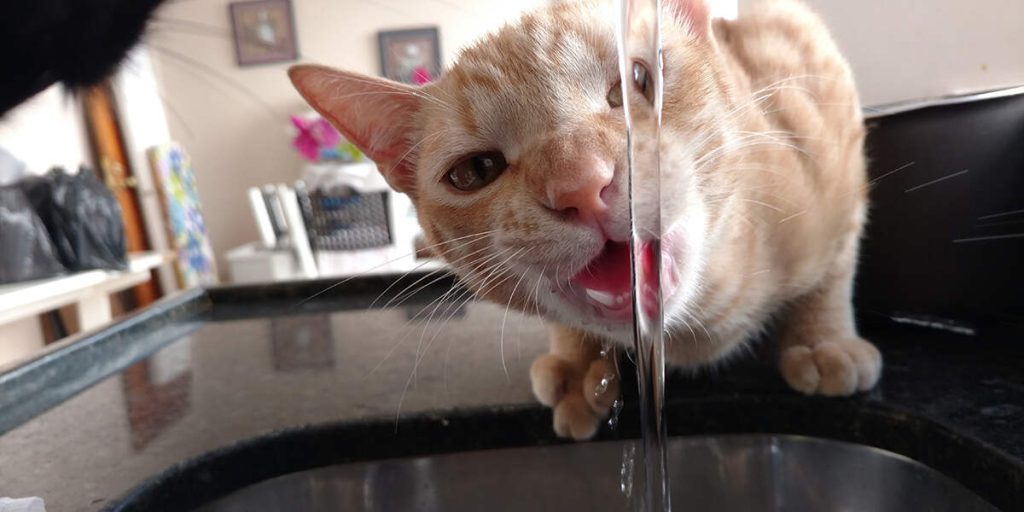
Why Is My Cat Drinking So Much Water?
Generally speaking, your cat should take a drink two to four times daily. And while this frequency may increase depending on the season, if it gets to the point where you find yourself wondering, “Why is my cat drinking so much water?” the veterinarians in Queek Creek at Revel Vet are here to help you get to the bottom of it.
In Arizona’s dry climate, it’s especially important to keep an eye on your pet’s hydration, but when a cat’s water habits suddenly change, it can raise red flags. It may be nothing serious. It may also be your cat’s way of telling you something isn’t quite right.
Let’s break down what might be behind this sudden increase in thirst, when it’s time to worry, and how to help your feline friend stay healthy.
How Much Water Should My Cat Be Drinking?
First, let’s discuss what “normal” actually looks like in terms of your cat’s water intake.
Cats are naturally low drinkers, meaning they don’t typically drink as much as other animals; in fact, in the wild, felines get most of their water from prey. Unlike dogs, who’ll happily slurp down half a bowl after a play session, cats tend to be a bit more selective about when they sip. So, when they start drinking much more than usual, it’s hard not to take notice.
Generally speaking, healthy adult cats need to consume about 3.5 to 4.5 ounces of water per five pounds of body weight per day, so a 10-pound cat drinking over a cup of water every day is a bit out of the ordinary. While some cats may just be extra thirsty, when it becomes a pattern, it’s time to dig deeper.
How To Determine How Much Water Your Cat Is Drinking
Many pet owners don’t immediately recognize that their cat is drinking more water than usual. If you have multiple pets sharing a water dish or several places where they can drink, getting a sense of how much water they’re consuming can be tricky.
Keeping an eye on how often they visit the water bowl throughout the day can help you identify a potential problem. As mentioned above, most cats will stop by for a drink a few times a day, so if it seems like they’re consistently lapping up water, further investigation might be in order.
If you want to play detective, try filling the water bowl with a set amount in the morning and then checking it again the next day. Using a water bowl that has measurements marked on the sides or a smart water fountain can help you see exactly how much your cat drinks on a daily basis.
The litter box can also provide clues as to whether your kitty is drinking more than usual. Larger-than-normal urine clumps that are heavier and more difficult to scoop out or a box that fills up sooner indicate that your pet is drinking more water than its typical amount.
If you notice any of these issues, monitor your cat’s water intake more closely and talk to your veterinarian about your concerns.
Common Reasons for Increased Thirst in Cats That Aren’t Dangerous
Sometimes, there’s a simple explanation for your cat’s sudden interest in hydration, and it’s nothing to be concerned about. Before assuming the worst, consider these more benign possibilities:
Dietary Changes
If you’ve recently switched your cat from canned wet food to dry kibble, they’ll naturally need to drink more water. Dry food contains very little moisture (usually around 10%), while canned food contains about 70% to 80% water, especially varieties that contain gravy.
Warmer Weather
Living in Arizona means dealing with hot and dry weather year-round. Just like us, cats may need extra fluids to stay hydrated when it’s hot outside, even if they’re strictly indoor cats that spend all their time inside with the air conditioner on. Just running the air conditioner can make you and your pets thirstier, as it removes moisture from the air.
Increased Activity
A cat that’s suddenly more playful or active will naturally drink more. Whether it’s a new toy, a younger pet to chase, or just a case of the zoomies, more movement equals more thirst. As they become accustomed to a new friend or toy and settle in, they’ll return to their normal water intake.
Stress or Anxiety
Believe it or not, emotional changes can influence a cat’s drinking habits. A new pet in the house, a change in routine, or even construction noise in the neighborhood can lead to behavioral shifts, including excessive water intake. Some cats find the act of drinking to be soothing and will visit the bowl more frequently when they feel anxious or unsettled.
When Should You Worry About Excessive Water Intake?
If your cat is drinking noticeably more water than usual, and you’ve ruled out environmental changes, it’s time to dig a little deeper into what’s going on.
Vets refer to excessive thirst and fluid intake as polydipsia. Polydipsia in cats is often a symptom of an underlying health issue, particularly in older cats.
Some of the most common warning signs of a medical issue in your pet are as follows:
- Frequently emptying their water bowl
- Urinating more often or outside the litter box
- Sudden weight loss
- Vomiting or diarrhea
- Lethargy and fatigue
- Changes in appetite
If you notice any of the above, or your furry friend isn’t acting like themselves, it’s time to schedule a visit with your veterinarian as soon as possible to determine the cause of the issue and find an effective treatment.
Medical Conditions and Diseases That Make Cats Excessively Thirsty
Here’s the good news: Many health conditions that cause increased thirst in cats are manageable, especially when caught early. Below are the most common ones.
Chronic Kidney Disease
Feline chronic kidney disease (also known as chronic renal disease) is one of the most common reasons for excessive thirst, especially in older cats. This progressive condition causes the kidneys to lose their ability to concentrate urine properly, which leads to more frequent urination and, in turn, more drinking.
Other indicators of possible kidney disease in cats include:
- Weight loss
- Bad breath (often with a urine-like smell)
- Vomiting
- Lethargy
- Poor coat quality, including dull, matted, or patchy fur
Early diagnosis of a kidney condition can greatly improve your cat’s quality of life, so it’s best to get ahead of it while it’s still treatable with medication, IV fluids, and dietary changes.
Diabetes Mellitus
Feline diabetes symptoms often include both excessive water intake and frequent urination. Just as in humans, diabetes in cats means that the pancreas doesn’t produce enough insulin to control blood sugar. In addition to your cat drinking more water, you may notice:
- Increased appetite
- Sudden weight loss
- Lethargy
- Weakness in the hind legs
Feline diabetes is manageable with the right treatment plan, which typically includes insulin, dietary adjustments, and regular veterinary visits. However, early intervention is crucial in preventing complications.
Hyperthyroidism
When the thyroid gland overproduces hormones, your cat’s metabolism speeds up, causing excessive thirst and urination. Other common symptoms include:
- Weight loss despite a strong appetite
- Hyperactivity
- Less self-grooming and more matted fur
- Vomiting
- Diarrhea
Cats with hyperthyroidism often act “younger” or more energetic than usual, which can be confusing. But that extra energy comes at a cost. It’s treatable with radioactive iodine therapy, medication, and dietary changes; in some cases, removing the thyroid gland is the best way to handle this condition.
Urinary Tract Infections (UTIs)
Although less common, UTIs can also lead to increased drinking and urination. Your cat may strain to urinate or cry out in the litter box, producing only a small amount of urine at a time. If you see any blood in the urine, contact your vet right away, as a UTI can be an emergency, especially in a male cat.
What To Do If Your Cat Drinks a Lot of Water
If you think your cat has a problem, but they aren’t showing signs of pain or distress, you can take a few steps to get the answer to “Why is my cat drinking so much water?”
Observe and Document
Keep track of how much water your cat drinks over a few days. Note changes in behavior, appetite, litter box habits, or energy levels. If your cat is drinking from the bathroom sink nonstop, it might be more than quirky behavior.
Rule Out Simple Causes
Ask yourself:
- Could it be just the weather making your kitty more thirsty?
- Have you recently changed the type (e.g., from wet to dry) or band of food your cat eats?
- Are there any stressors in the home?
If none of these apply, it may be time to check for medical causes.
Schedule a Vet Visit
Your vet will conduct a thorough examination and perform tests to diagnose the problem and determine a treatment plan.
How To Keep Your Cat Hydrated
Every cat is different, so what’s too much water for one might be just right for another. However, proper hydration is always crucial to a pet’s health and well-being. Here are a few ways to keep a cat’s water intake balanced:
- Provide fresh water daily. Cats can be picky about stale water.
- Try a water fountain. Many cats prefer to drink running water.
- Add water to dry food. A splash of low-sodium chicken broth can also help.
- Offer wet food. Canned food is a great way to boost moisture intake.
- Keep multiple water sources. This strategy helps a lot in larger homes or multi-cat households.
When To Call Revel Vet in Queen Creek, AZ
Cats tend to be subtle. They can’t say, “Hey, I’m not feeling great; please call the vet.” Drinking too much could be their way of waving a tiny red flag.
If you notice increased thirst in your cat, take it seriously. While the answer to “Why is my cat drinking so much water?” might be as simple as a hot day or new kibble, it could also be the first sign of a medical condition that needs attention. Early intervention can make a world of difference, and the sooner you figure out what’s going on, the sooner your cat can start feeling better and you can stop worrying.
At Revel Vet, our goal is to help Queen Creek’s pets live their best lives at every stage of their lives. If you’re concerned about your cat’s drinking habits or want peace of mind, make an appointment today. We’ll help you uncover the cause and build a treatment plan that works for both you and your feline friend.
We’re also here to help with all your other furry friend concerns, from managing fleas and ticks to treating an infection in cats after surgery.
Frequently Asked Questions About Cat Water Intake
Why Is My Cat Drinking So Much Water All of a Sudden?
Sudden excessive water intake in cats can be caused by heat, dietary changes, or more serious conditions, such as kidney disease or diabetes. It’s best to monitor their behavior and consult a vet if the change continues for more than a few days.
Is It Bad if My Cat Drinks From the Toilet or Sink?
It’s not necessarily a cause for concern, but drinking from sources other than the water bowl might mean your cat isn’t satisfied with the water. Try offering fresh water more often or consider a fountain. If the behavior is new and accompanied by frequent urination, it may indicate feline dehydration or illness.
Can Stress Cause My Cat To Drink More Water?
Yes, emotional stress or anxiety can lead to behavioral changes, including increased thirst in cats. New pets, guests, or changes in the home environment can all trigger self-soothing behaviors, such as increased water consumption.
How Can I Tell If My Cat Has Kidney Disease?
Feline kidney disease symptoms include excessive thirst, frequent urination, weight loss, and vomiting. If you notice any of these, visit your veterinarian for blood and urine tests to diagnose the issue and receive a treatment plan.