Seven Reasons Why Your Cat Is Losing Hair
If your cat sheds a little bit of it’s coat, there’s no reason to panic and start searching for vets in Queen Creek, AZ. However, if you’re noticing excessive hair loss, it could indicate a larger problem that you should address right away.
“So, why is my cat losing hair?” Discover the common reasons behind excessive shedding and what you can do to keep your cat’s coat full and healthy.
What Causes Hair Loss in Cats?
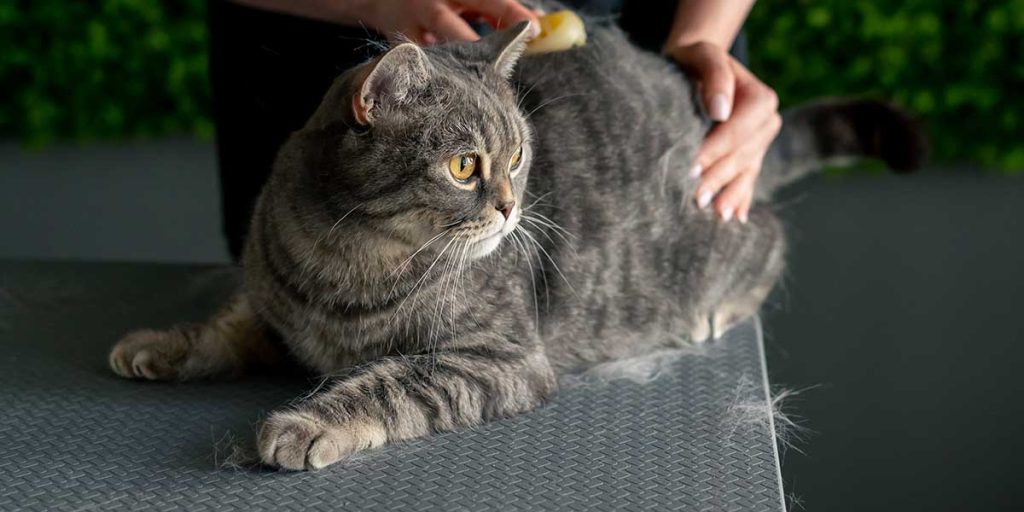
Stroking your cat’s silky coat is bound to leave a few strands of fur in your hand. They may also leave some fur behind when they spend a lot of time in their bed or lounging on a cozy blanket. This type of hair loss in cats isn’t cause for concern.
Once you start pulling large clumps out of their coat or find bald spots on them, however, it may suggest a serious health issue. Check out the top reasons why your four-legged friend is losing hair in excess.
1. Increased Stress or Anxiety
Everyone reacts to stress differently. Humans usually experience changes in their appetite or sleeping patterns, while felines tend to overgroom and shed their coat. Several stressors could cause this reaction, including:
- Bringing a new animal into your home
- Moving
- Any dramatic change in routine
Keep your pet calm by providing them with a comforting environment. Give them their own space and provide them with plenty of love and attention to ease their stress and anxiety.
2. Skin Infections
Ask a veterinarian, “Why is my cat losing hair to reveal red, scaly skin?” and they’ll tell you that your pet likely has a skin infection. Harmful bacteria or fungi could affect the layer of skin beneath your cat’s fur.
As the infection worsens, your cat may groom themselves more frequently. This can ultimately lead to heavy hair loss. Bring your feline companion to a vet for treatment.
3. Allergies
Did you know that certain allergies in cats can lead to a loss of fur? If your cat suddenly has a thinning coat combined with itching or skin irritation, it may be an allergic reaction to some type of irritant. A sensitivity to fleas, pollen, and even certain food ingredients can cause this type of reaction in pets.
The best way to address allergy-related hair loss is to narrow down the cause. Did the irritation start after you started giving your cat a new type of food? Look at the ingredients on the label and start experimenting with other foods to eliminate the allergen.
4. A Hormonal Imbalance
If your cat is losing hair and acting differently, they may have a hormonal imbalance. Thyroid disorders, Cushing’s disease, and similar conditions can have a significant impact on your cat’s overall health.
In addition to coat thinning, your pet may experience the following symptoms:
- Weight and appetite changes
- Reduced energy levels
- Increased thirst and urination
Be mindful of any new symptoms that suddenly appear. If you suspect your cat has a hormonal imbalance, schedule an appointment with your vet to confirm the diagnosis and learn about treatment options.
5. Fleas, Mites, and Other Parasites
Finding parasites in a cat’s coat is never ideal. Fleas, ticks, and mites can make your feline’s skin constantly itch. To comfort themself, your pet will excessively scratch the itch, causing patches of their fur to fall out.
If you notice your cat always scratching themselves and leaving clumps of fur behind, it’s time to investigate. Run a fine-tooth comb through their fur to detect any parasites. Veterinarians recommend flea prevention measures to keep your cat’s skin and coat as healthy as possible.
6. Their Genetics
“My cat doesn’t have any issues with allergies, fleas, or skin infections. So, why are they losing hair at a rapid rate every day?”
Many cases of feline alopecia are due to an animal’s genetics. Perhaps many members of your family go bald as they age. Your cat’s genetics may show a similar pattern.
Talk to your vet if you’re concerned about excessive fur shedding. Based on your cat’s age and breed, hair thinning could be an unavoidable pattern.
7. Other Health Issues
If you ask your vet, “Why is my cat losing hair all of a sudden?” they may perform a comprehensive examination to rule out harmful health issues. While hair loss could be a normal part of your cat’s aging process, it may also indicate conditions like diabetes or kidney disease.
When underlying health issues are to blame, you may have to take additional measures to treat the condition. Cats with kidney disease, for example, may need dietary changes along with medications to control their renal function.
Consult Our Experts About Changes in Your Cat’s Health
Is your cat losing excessive amounts of fur? Schedule an appointment with Revel Vet and let our experts rule out common pet parasites, serious health issues, and other common causes of feline alopecia.
Our veterinary team is committed to keeping pets happy and healthy, no matter what conditions ail them. We treat every animal with the utmost care and compassion to help give pet owners peace of mind. Contact our office at (480) 701-8609 to schedule an appointment.
Frequently Asked Questions
Are you still curious about hair loss in cats and how to decipher normal shedding from a larger health issue? Get answers to common questions below.
How Much Feline Hair Loss Is Normal?
A normal amount of hair loss in cats won’t cause bald patches or noticeable coat thinning.
How Do You Treat Hair Loss in Cats?
Treating hair loss in cats depends on the cause of the problem. A skin infection or hormonal imbalance, for instance, may require medications. Hair loss caused by stress may be alleviated by keeping the cat in a calm, comfortable environment.
Why Is My Cat Losing Hair in the Summer?
A cat shedding in the summer is normal. If hair loss becomes excessive, it may be due to an underlying problem.