Taking a Close Look at Snake Bites on Dogs in Queen Creek, AZ
You may not notice them at first glance, but Arizona is home to a number of snake species, making it incredibly important for pet parents to remain aware of the dangers of snake bites. Learning the difference between venomous and nonvenomous snakes is vital, as encounters with a venomous snake could be fatal, especially if the appropriate measures aren’t taken.
Regardless of any snake type, a snake bite should be evaluated promptly by your veterinarian to ensure the health and well-being of your furry family member.
Revel Vet Offers Emergency Services
Introduction to Snake Bites
Snake bites should be on your mind, not only for yourself, but also for your furry family members at home. Since the temperature in Arizona is so high mid-day during most months of the year, you’ll be more likely to encounter snakes at dawn and dusk. They can be active early as February and as late as November in the Queen Creek, AZ area.
Difference in Non-Venomous vs Venomous Snakes
Aside from the venom, the toxic substance from the snake’s fangs, there are several ways to tell a venomous snake from a non-venomous one. Differences include:
What Shape is the Snake’s Head?
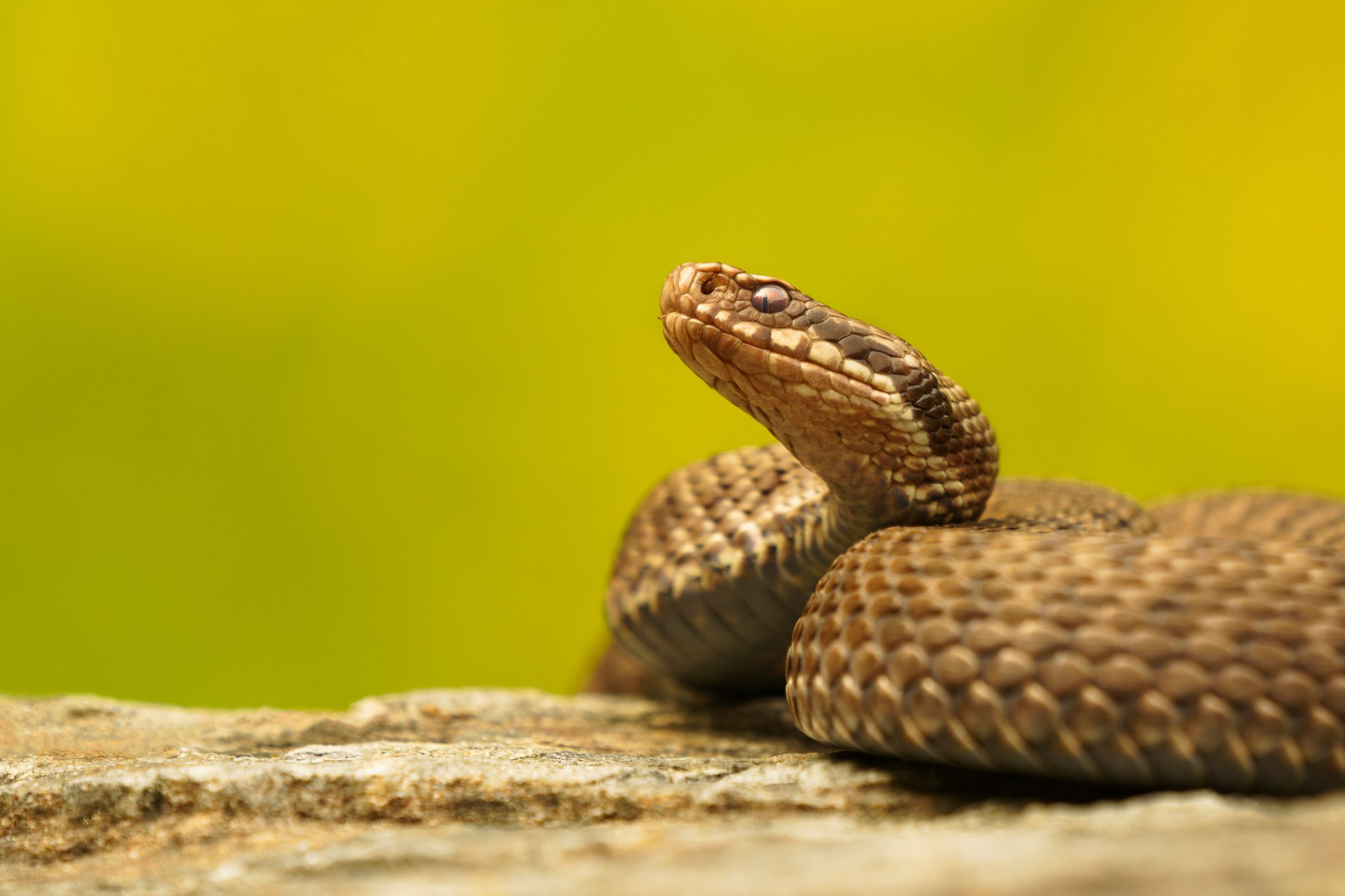
Venomous snakes have triangular heads, whereas non-venomous snakes often have rounded heads. There are some non-venomous snakes that have triangular heads to mimic their dangerous counterparts.
Don’t Depend Fully on Coloration
Have you ever seen a dart frog? Like many other animals in nature, they have vibrant colors to keep predators away. As opposed to being vibrant to warn of danger, most snakes have coloring that matches their environment for camouflage.
Although it’s important to make a mental note of their coloring and pattern if your dog is bitten, that information alone may not correctly identify the snake as being venomous or non-venomous.
How Venom Affects the Body
The venom from rattlesnakes is hemotoxic. It has the ability to stop blood clotting (coagulopathy) and destroy tissues, and eventually the organs.
The Mojave rattlesnake, found in Arizona, is one of the most venomous snakes in North America. When bitten, dogs may experience weakness and respiratory failure. The faster you seek veterinary care, the more likely it is that your dog will recover.
Signs of a Snake Bite
Snake bites can appear as a puncture wound, swelling, or bleeding. Signs and symptoms of a venomous snake bite include:
- Sudden weakness
- Shaking or trembling
- Excessive salivation
Understanding the Dangers of Snake Bites
If a venomous snake bites your dog, immediate veterinary attention is necessary to reduce the risk of tissue and organ damage, paralysis, muscle breakdown, and fatality.
If you discover the snake was non-venomous, that doesn’t mean there aren’t still risks. Veterinary attention can reduce the risk of infection or sepsis.
Learn About Revel’s Emergency Services
Signs May Not Present Immediately
Symptoms of a snake bite may not appear for up to 24 hours. Veterinarians at Revel can use snake identification kits to determine if your dog has been bitten and by which type of snake.
Some Snake Bites Are More Dangerous Than Others
Some snake bites are more dangerous than others. While some snake species have incredibly potent venom, others may be less likely to do severe damage.
Location of the Snake Bite
The location of the bite should be taken into consideration. The prognosis is generally good for bites on the legs. Bites to the face can result in significant and dangerous swelling. The tongue is often the most dangerous location for a bite due to the vast number of blood vessels.
Fortunately, bites to the tongue are rare. However, any area near vital organs can cause serious complications.
The Snake’s Age Plays a Role
Young snakes haven’t learned how to control the amount of venom they release which can lead to more severe snake bites.
The Type of Venom
There are different types of venom; some are more potent than others depending on the part of the body affected. The types of venom include:
- Cytotoxic: Often causes tissue damage and swelling at the bite site
- Hemorrhagic: Disrupts blood vessels which can cause tissue death
- Anti-clotting agents: Prevent blood from clotting
- Neurotoxic: Can cause paralysis, impaired cognition, and incontinence
- Myotoxic: Breaks down muscles resulting in impaired movement or paralysis
The Western Diamondback’s venom is hemotoxic so it mainly affects the blood and tissues which generally makes it less dangerous than the Mojave Rattlesnake’s neurotoxic venom which affects breathing and muscle control.
Snake Bite First Aid Tips for Dogs
When your dog encounters a snake and gets bitten, it’s important to remain as calm as you can. Dogs can sense how we’re feeling and if we panic, they’re more likely to panic.
Additional tips include:
- Do your best to restrict your dog’s movement. Keep them as still as possible. This may involve someone sitting in the back seat on the way to the emergency clinic loving on the pup to keep them content.
- Take notes on any observed changes in behavior or reaction.
- DO NOT attempt to squeeze out the venom, place a tourniquet, or take any other medical action. Instead, seek the guidance of a veterinarian for your next steps.
Emergency Snake Bite Treatment at Revel Vet
Upon arrival at the veterinary clinic, the vet or vet tech will likely begin shaving and cleaning the area to prep for treatment. Possible treatments may include anti-venom, anti-inflammatories, pain medication, antibiotics, and fluids.
Our team here at Revel Vet will work swiftly to treat your dog as quickly as possible while using fear-free techniques to keep your dog as calm as possible.
The Importance of Early Treatment
We can’t emphasize this enough – the sooner you get your dog to Revel, the more effective the treatment.
Protecting Your Dog With the Rattlesnake Vaccine
The rattlesnake vaccine could potentially save your dog’s life. Initially, dogs receive two doses of the vaccine approximately 30 days apart. Large dogs may need three doses initially. The protection lasts about six months so boosters are necessary to keep your dog protected.
Additional Methods to Prevent Snake Bites
Employing multiple strategies to prevent snake bites can significantly reduce the risks for your dog.
Keeping Snakes Out of the House
Inspect your home’s foundation and basement doors for gaps, and ensure windows are screened to keep snakes out.
Keep the Lawn Mowed and Clear
Regularly mow your lawn and clear debris to eliminate snake hiding spots.
Snake Fencing
Snake fencing can be an effective barrier to protect your property from snakes. Most pest control companies use aluminum and stainless steel mesh.
Snake Aversion Training
Snake aversion training is a specialized training program designed to teach dogs how to recognize and avoid snakes, particularly venomous ones, reducing the likelihood of getting bitten.
The training involves exposing dogs to various aspects of snakes, like sight, sounds, and smells—in a controlled environment.
Contact Revel to Protect Your Dog
If you reside in an area with rattlesnakes, it’s important to remain observant and take the appropriate precautions. Although we can’t completely eliminate the risk of a bite, we can take steps to make contact less likely.
Learning about Revel’s emergency services can also prepare you for quick action in case of a snake bite.
For further reading, we recommend:
- Venomous Snake FAQs
- Snake Toxicity – StatPearls – NCBI Bookshelf
- Snake Venom – an overview | ScienceDirect Topics
- Mojave rattlesnakes’ life-threatening venom is more widespread than expected | ScienceDaily