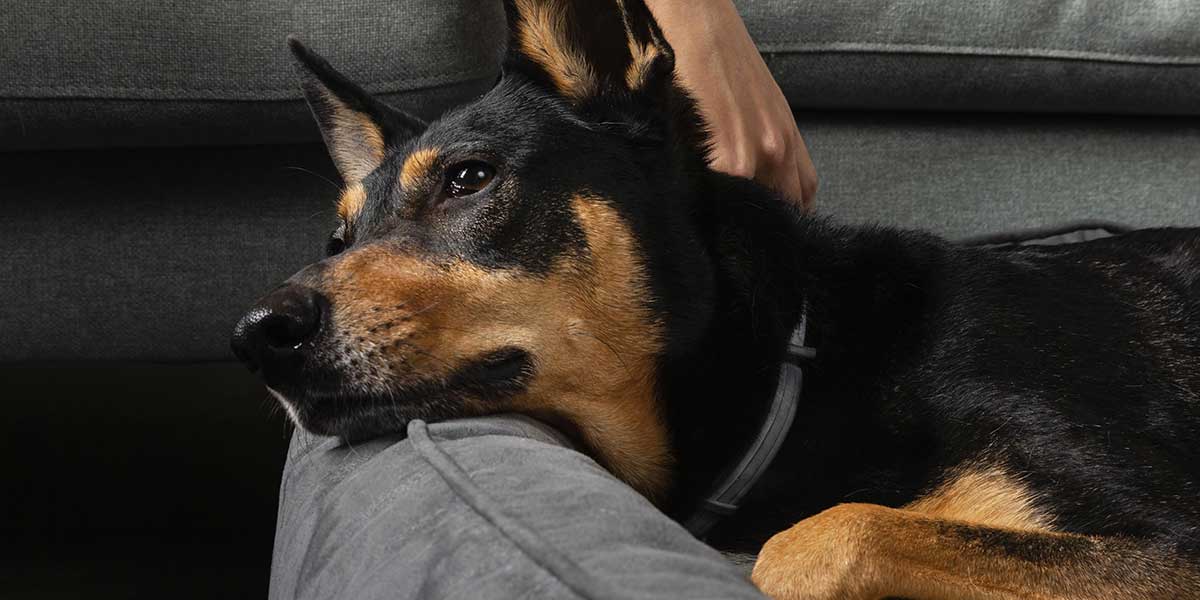
Signs of Anxiety in Dogs and How To Recognize Them
Identifying anxious behavior in your dog is an essential part of pet care. By recognizing these shifts in their demeanor and addressing the possible causes of stress, you’ll help your companion be healthier and happier.
When you notice signs of anxiety in dogs, it’s important to rule out any underlying medical conditions that might be causing reactivity. An expert checkup is the best way to ensure your dog is healthy and ready to move forward with an anxiety treatment plan. Pet owners should rely on the comprehensive exams offered by a trusted veterinarian in Queen Creek, AZ.
The Revel Vet team is fear-free certified, so your pet is in excellent hands with technicians trained in reducing animal stress during a visit. A veterinary behaviorist will carefully examine your dog without unnecessary discomfort and advise you on the best approach. To determine a treatment plan that meets your dog’s needs, our team will gather information about your dog’s history, home, habits, and any possible triggers.
Common Causes of Canine Anxiety
Many things may cause your dog’s anxiety. Spend time observing your pet and determining what triggers sudden behavioral changes. Like humans, dogs may struggle with specific phobias or general anxieties in the anticipation of danger (even if none is present).
These fears are sometimes the result of early-life trauma or inadequate training and socialization. However, there is also a link between aging and older dogs’ development of cognitive dysfunction syndrome (CDS), a condition similar to Alzheimer’s that can cause anxiety. All dog breeds can develop anxiety but may react differently.
One of the most common canine phobias is loud noises, which is why your pup may struggle with fireworks or thunderstorms. Other possible triggers include specific visual stimuli, such as household objects like umbrellas and shoes or pet-care items like leashes.
Specific places and situations, such as the vet’s office or car rides, also cause stress. Reactions to these stimuli are often brief but become more complicated for unavoidable situations such as veterinarian visits. Pets with these reactions benefit significantly from a fear-free-certified veterinarian like Revel Vet, who understands pet stress and keeps the process smooth and calm.
Other fears manifest as separation anxiety, which occurs when a dog is abnormally reactive to time away from you or other family members. Dogs may also struggle with routine changes that involve new people and places. For example, moving to a new home or splitting care after a divorce can trigger anxiety.
The best treatment will depend on the type of anxiety your dog experiences. When the triggering stimuli are unavoidable, it’s critical to find solutions that help your dog feel better before, during, and after stressful situations. The first step is understanding how dog anxiety presents itself.
Common Signs of Anxiety in Dogs
Typical symptoms of dog anxiety mirror those of human distress, with a few notable behavioral differences. Pet parents are responsible for noticing signs of distress outside of a dog’s normal behavior.
A relaxed, happy dog’s body language should involve round eyes, raised, forward-facing ears, and a raised tail. Panting shouldn’t occur in normal temperatures unless it’s after play or exercise.
Conversely, a stressed dog often stands stiffly and has dilated pupils. Their ears stick straight up and appear alert or are pinned flat back against their head. The dog may also tuck their tail between their legs and visibly cower or hide.
Other signs of anxiety in dogs include:
Pacing, Shaking, Panting, and Drooling
As with humans, dogs that experience anxiety will appear tense and often shake or tremble. They may pace back and forth or seem unable to settle down.
You’ll also notice panting, drooling, and an increased heart rate. These are the effects of the sympathetic nervous system, which is the same nervous system that triggers a “fight, flight, or freeze” response in people. Your dog will feel the effects of this involuntary response when stressed.
Excessive yawning beyond what’s normal for a tired dog can also be a stress response.
Destructive Behaviors
Stressed pets will exhibit destructive behavior problems, such as chewing furniture or scratching at walls and floors. This is common around doorways and other entry points, where anxious dogs try to break out of cages, cars, or homes.
These behaviors are dangerous and can lead to injuries and escapes. If your pet is successful in breaking loose, they could be at risk.
Excessive Barking or Whining
Dogs experiencing anxiety will become agitated and bark or whine excessively. They’ll typically calm down after you remove the stressor. You might also notice excessive licking, a common self-soothing behavior. Anxious dogs often lick themselves, their owners, and areas such as doorways and walls.
Aggressive Behaviors
Aggression is the most dangerous of the signs of anxiety in dogs. Such behaviors may be direct or indirect. Direct behaviors include aggression (growing, barking, biting, and lunging) toward other people or dogs. Indirect aggression occurs when a person or animal steps in between the dog and the source of aggression and restlessness (for instance, when breaking up a dog fight).
These behaviors are a serious risk to all involved. Dog owners should address aggression carefully and safely with help from an animal behaviorist.
Compulsive Behaviors
Compulsive behaviors are similar to generally destructive behaviors and are common in dogs with separation anxiety. These behaviors include the anxious monitoring of doorways and windows after a loved one leaves. The dog may also repeatedly chew on certain objects or dig into rugs and bedding.
Resource Guarding
Dogs with negative past experiences involving neglect or ill treatment may hold on to fear about their resources being limited or taken away. This usually manifests as an aggressive reaction when people or animals interact with or come near the dog’s food bowl. Resource guarding is a dangerous symptom that makes daily routines much harder.
Accidents or Diarrhea
Another common sign of anxiety in dogs is inappropriate urination or defecation inside, sometimes including diarrhea. This is another effect of the autonomic nervous system, which triggers bowel and bladder movements. If no health conditions or other underlying causes are at play, these symptoms should improve with anxiety treatment.
Treatment Options for Anxious Dogs
Working with an experienced veterinarian is the best way to address anxiety in dogs. After ruling out any health problems, your veterinarian will assess the severity of the anxiety and any behavioral issues. They’ll recommend treatment options to help your dog cope and improve their quality of life.
Lifestyle Changes
Lifestyle changes are the first defense against signs of anxiety in dogs. Shifts in your dog’s daily routine should happen slowly to prevent increased stress. If particular objects or situations trigger anxiety, it may be helpful to avoid them.
For example, if your dog is reactive to the arrival of new people, avoid hosting large gatherings until things improve. You can also find ways to soothe the anxious response if the stimuli are outside your control. If loud noises like fireworks are a problem, running a fan or getting your dog to wear a muffling hood sometimes helps.
Other important considerations are your dog’s mental and physical stimulation. Consistent physical exercise is key to preventing and treating anxiety by providing a positive outlet for high energy. Stay on a consistent schedule with exercise, feeding, and sleep, as dogs thrive on routine.
It’s also critical to provide enough mental stimulation throughout the day, such as through the use of slow feeders or puzzle toys with treats or peanut butter inside them.
Dogs also get mental stimulation through sensory experiences on walks, so try to go at their pace and allow them to explore new routes and spend time sniffing and exploring. Remember that new walking routes used by others may be challenging for anxious dogs displaying signs of aggression.
Finally, it’s essential to provide your dog with a safe space where they can always retreat without disturbance. A crate is typically the best option. Owners should introduce crate training early in a puppy’s life to create positive associations that stave off anxiety.
The crate should be your dog’s private reprieve from stressors, and you should respect it as a boundary. Avoid reaching into the crate or petting your dog while they’re inside it, as this can cause barrier reactivity and worsen anxiety.
Training Methods for Anxiety Relief
If you notice the common signs of anxiety in dogs, it might be time for professional assistance from a dog trainer. There are a few training methods that may relieve anxiety, the most popular of which are desensitization and counterconditioning.
Desensitization is the slow exposure to stressors with repeated rewards. Baby steps are key here. Pet owners should start with small doses of the stressor and slowly increase exposure time while offering plenty of positive reinforcement.
Counterconditioning aims to replace behavioral problems with better behaviors. For example, the goal behavior might be for the dog to sit or focus on the owner instead of reacting to a stressor by barking and lunging.
These methods can be difficult and require patience and consistency. To avoid worsening stress levels, it’s best to work under the supervision of a professional animal behaviorist.
Anti-Anxiety Medications
In severe cases or dogs with chronic anxiety, the best treatment plan may involve anti-anxiety medication. Some of the same drugs used in human anxiety treatment are useful in dogs, including certain antidepressants. Your dog will take this medication consistently to lower overall stress levels, often while you implement some of the other treatment methods.
For pets with predictable stressors, take-as-needed medications like benzodiazepines might be the best option. Compounds such as selegiline may also benefit older dogs with CDS symptoms.
Using Natural Products
Some non-medicated products are helpful for addressing the signs of anxiety in dogs, including room sprays containing calming pheromones or other aromatherapy methods.
Another option is CBD oil, a non-intoxicating hemp product that’s associated with calming benefits. While there is positive anecdotal evidence supporting the use of CBD supplements in dogs, it’s essential to know that some of these products aren’t yet regulated. Always consult your veterinarian before giving your dog any supplements or changing their diet.
Trust Revel Vet With Your Pet’s Well-Being
Revel Vet offers exceptional care for pets in Queen Creek, AZ. Our knowledgeable team will help you get to the bottom of your dog’s anxiety or other worrying behaviors, such as head pressing.
Our expert technicians offer advanced diagnostic services through ultrasounds, full-body X-rays, and thorough examinations. These precise inspection techniques allow us to provide efficient diagnoses that minimize stress and get your pet into treatment faster. Your pet will receive personalized medical care from a fear-free-certified team.
Our clinic also offers microchipping, spaying and neutering, and vaccinations. Revel Vet aims to support you and your pet with everything from preventative care to major interventions. Our team understands the stress of trusting your pet’s well-being with someone new, so we prioritize safety, comfort, and communication at every stage of treatment.
Contact us today to secure seamless, compassionate care for your beloved companion.
FAQ About Anxiety in Dogs
Addressing the signs of anxiety in dogs can be overwhelming, so our team has answers to the most common questions we hear about the process.
Does My Dog Have Anxiety, or Is Something Else Wrong?
To find out if your dog has anxiety or other medical problems, you will need to take them to a veterinarian for a full examination. Anxiety causes behavioral changes, but these can also be symptoms of health issues you don’t want to overlook.
Are There Medications for Dogs With Anxiety?
There are medications for dogs with anxiety that are similar to those used in treating anxiety in people. The most common medications are antidepressants, specifically SSRIs (selective serotonin reuptake inhibitors), which your dog must take regularly to be effective.
What Can I Do About New Aggressive Behavior?
If your dog displays new aggressive behavior, it’s vital to take them to a veterinarian to rule out underlying health conditions. From there, owners can treat aggression arising from anxiety with counterconditioning training, lifestyle changes, and medication.