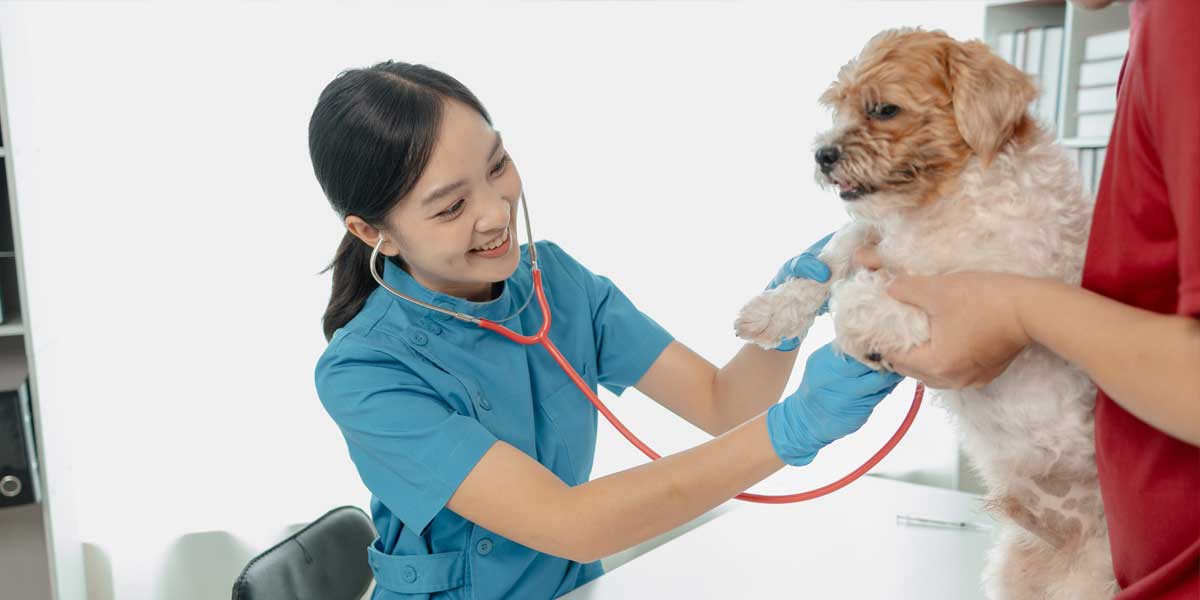
How To Prepare for Your Pet’s Wellness Exam
Are you getting ready to schedule a pet wellness exam for a dog or cat? You should first search for the right veterinarian in Queen Creek, AZ, if you don’t already have one.
The vet you choose for this routine wellness exam could make or break the experience. Look for someone with extensive knowledge and experience and an excellent reputation among people in your particular area.
From there, you should also take a handful of other steps to ensure you’re adequately prepared for a complete physical examination. This will make pet health screening more successful while controlling your dog or cat throughout their veterinary visit.
Here are the steps we recommend as you prepare for a pet’s wellness exam.
Gather Your Pet’s Medical Documentation
If your pet has only ever visited one veterinarian’s office, you shouldn’t worry about bringing any medical documentation to a wellness exam. In this case, a vet’s office should have all the health records they need for your dog or cat.
However, you should collect medical documentation if:
- You’re taking a new puppy or kitten to a veterinarian for the first time.
- You recently decided to leave one veterinary practice for a different one.
- Your dog or cat has received emergency care at a veterinary hospital since their last visit.
The more medical information you provide to a veterinarian, the easier it is for them to examine your pet and make accurate diagnoses. You will also avoid repeating preventive care steps that your dog or cat may have already gone through by keeping their vet updated.
Make a List of Their Preferred Type of Food, Treats, Supplements, Medications, Etc.
When you’re at home, you might not have any problem rattling off all the food, treats, supplements, medications, etc., you provide your dog or cat daily. However, this may not be the case if you head to a veterinarian’s office without writing any of them down and have to rely on your memory to report what your pet consumes daily.
For this reason, you should generate a list of food, treats, supplements, medications, etc., so you don’t forget any when an animal clinic asks about them. You can even pull out your smartphone and take photographs of each one.
Doing this will allow you to refer to these photos if a vet asks about your pet’s diet, such as how many calories are in certain treats, or what dosages of different medications your dog or cat takes.
Identify Any Signs of Problems With Their Health
Does your dog have a strange lump on their stomach that has gradually gotten larger over the last couple of weeks? Has your cat refused to put much weight on one of their paws after jumping off the top of the fence in your backyard last month?
You will likely want to discuss these health problems with a veterinarian during a pet wellness exam, but you may forget to ask them if they aren’t at the forefront of your mind during the appointment. This explains why you should identify any issues your dog or cat might have and write down detailed descriptions so you have what you need to mention them to a vet.
Don’t be afraid to list symptoms and signs of illness associated with these potential health issues. This could help a veterinarian determine what is happening with your dog or cat and how to treat the problem.
Jot Down Any Questions You Have About Their Health
When compiling a list of health concerns, why not go the extra mile and jot down any questions you might have about your pet’s health in general? A vet will happily answer almost any question, but unfortunately, many people draw blanks when animal doctors ask, “Do you have any questions for me?”
Questions you might want to ask include:
- How much food and water should I give my pet each day?
- Am I providing them with enough exercise?
- What should I do to help minimize their stress and anxiety?
- Am I doing enough for their dental care and oral health?
- Can I still look into putting them through training at their age?
You should keep a pen and pad near your pet’s food and water bowls and write down any questions that come to mind between their cat or dog wellness exams. It will help you avoid having regrets about forgetting to ask certain questions after routine check-ups are complete.
See If a Veterinarian Needs Urine and/or Stool Samples From Them
Veterinarians often request that people bring urine and/or stool samples for their dogs and cats during annual wellness exams. Many veterinary practices will ask people to bring these when they call to remind them about their appointments.
If your practice doesn’t ask for these samples, it wouldn’t be the worst idea to call them a day or two before your appointment to see if they need them. This will give you plenty of time to collect samples from your pet and prevent you from scrambling to get them at the last minute.
Ask a Veterinary Practice Which Vaccinations, Diagnostic Testing, and Procedures They Will Need
When a dog or cat is younger, they will typically need vaccinations during most pet wellness exams. They might also need blood work, routine parasite control tests, and procedures like microchipping.
Despite this, some people get caught off guard when their pets attend routine exams. To prevent this, contact your veterinary office to ask what to expect during your pet’s upcoming appointment. They will likely list the vaccinations, diagnostic tests, and procedures needed depending on your pet’s age, health history, and other factors.
Taking this approach can help you mentally prepare for a veterinarian visit. You can also estimate how much time you will spend in a vet’s office based on the required vaccinations, blood tests, and procedures.
Decide How To Transport Them to a Veterinarian’s Office
Does your pet always take car rides with you and enjoy every second of them? If so, you shouldn’t encounter any major issues when it’s time to transport them to a veterinarian’s office. Tell them it’s time for a car ride like you usually do, and they’ll gladly jump into your vehicle.
However, if they don’t go for many car rides or, worse, if they have figured out that car rides equate to vet visits, put careful thought into how to transport them to a veterinary practice while keeping pet safety in mind. Many people opt to place nervous pets into carriers and crates for car rides to keep them calm while they’re on the way to a vet’s office.
Figure Out the Most Effective Ways To Keep Them Calm
Whether your pet enjoys riding in cars or not, you might sense their mood change once they begin putting the pieces together and realizing where they’re going. Many dogs and cats don’t love going to the veterinarian for regular exams, and yours won’t be shy about showcasing their displeasure once they arrive if they fall into this category.
Because of this, you should prepare to keep them as calm as possible while you’re making your way to a vet’s office and once you get there and go inside. Calm them down by:
- Bringing their favorite toy for them to play with
- Giving them treats and offering them lots of praise
- Wrapping them in a blanket that smells just like home
If your pet is extra anxious every time you take them for a wellness exam, consider speaking to someone from your veterinary practice about it. They may have special procedures that allow them to care for scared animals more compassionately.
Plan To Arrive at a Vet’s Office With Them on the Earlier Side
If your dog or cat is scheduled to see a veterinarian for a pet wellness exam at 1:30 p.m., don’t wait until 1:27 p.m. to arrive at a veterinary practice. This will put you in a position where you will have no choice but to rush inside right away, and this alone could make your dog or cat feel more anxious than they would otherwise.
Instead, try to arrive at a veterinarian’s office 15 minutes early for an appointment or show up even earlier than that. This will enable you to take your time while walking into your vet’s office and allow your pet to familiarize themselves with their surroundings to calm their nerves.
Put a Collar and Leash on Them Before Entering a Veterinarian’s Office
When you walk in, there is a good chance that your pet will not be the only animal inside a veterinarian’s office. Other dogs and cats will also likely be waiting to see a doctor, and if you’re not careful, your pet might not respond well to this situation. They may uncharacteristically show aggression toward other animals due to the circumstances.
Putting a collar and leash on your pet before entering a veterinary office will allow you to maintain control over them. It will also keep them away from other animals in the waiting area and make it easier to get them back into a wellness examination room when the time comes for their appointment.
Invite Someone To Come With You to a Vet’s Office for Help and Support
Can you ask someone to accompany you to a pet wellness exam? Whether it’s your spouse, one of your kids, or even a neighbor, try to find someone willing to take a trip to a veterinarian’s office with you.
People should do this if they can’t control their dogs or cats on their own. It might also help to have someone who lives in your home come with you to a wellness exam so they can ask any questions you might forget to pose to a vet.
Calculate How Much Their Veterinarian Visit Will Cost in Advance
A recent survey found that almost one-third of pet owners don’t bring their dogs and cats to veterinary practices as often as they should. Many reported that cost concerns were the No. 1 reason for this. People are often so concerned about what preventative care might cost that they put off vet visits altogether without even exploring the potential expenses.
If you’re worried about how much a vet visit will cost, a good vet practice will put your mind at ease. They will explain which routine vaccinations, tests, and procedures your pet will need during a wellness exam and break down their associated costs to provide a ballpark estimate of what you must pay at the end of your visit.
You might be pleasantly surprised to see how affordable pet checkups and other veterinary services will be. Financing options are also usually available.
Remember To Bring Their Insurance Card Along If They Have One
About one-fourth of pet parents pay for insurance policies for their dogs and cats. If your pet is insured, you have an insurance card that you carry around in case they need emergency medical care. Make sure you have it for their wellness exams, too.
Double-check to ensure this insurance card is in your wallet before heading to a veterinarian’s office. It could cover some of the necessary treatments during a visit and make their costs more manageable. You’re paying for an insurance plan, so why not use it as often as possible?
Contact Us To Schedule a Pet Wellness Exam for Your Furry Friend
By scheduling regular pet wellness exams, you will make your dog or cat happier and keep them in good health. Thanks to early detection, you will also stop minor health conditions from turning into much bigger deals.
If you’ve had difficulty finding the right veterinarian to provide wellness exams, Revel Vet is here to help. We offer pet parents and their four-legged friends everything from regular wellness exams to nutritional counseling sessions to help with a pet’s overall health.
Call us at (480) 701-8609 today to schedule an appointment or to ask any further questions you might have about our general pet health services.