Common Pet Parasites in Arizona and How to Combat Them
Understanding pet parasites is crucial for keeping your pet healthy. The warm climate in Queen Creek, AZ, makes the area hospitable to dangerous pests that can cause health complications in your pets. Fortunately, preventative medicine can reduce your pet’s risk of not only contracting the parasites but also the negative effects that come along with being infested.
Common Pet Parasites in Queen Creek
Queen Creek, AZ, has a variety of common pet parasites that can affect your pets’ health. Although heartworms tend to be the most dangerous, checking for fleas, ticks, mites, worms, and liver flukes is also recommended to keep your pet happy and healthy.
Heartworms Can Lead to a Heart Attack
Heartworms are a concern for pets all around the world and they’re known to be the most dangerous parasite to pets. They’re seriously dangerous parasites transmitted by mosquitoes that can cause severe heart and lung disease in pets.
Once bitten by an infected mosquito, larvae enter the pet’s bloodstream and mature into adult heartworms, which reside in the heart, lungs, and associated blood vessels. Mature heartworms can reach up to 12 inches in length. They can clog the heart, cause inflammation in the arteries, and disrupt blood flow causing the heart to struggle to pump blood effectively.
Importance of Prevention and Treatment
Preventing heartworm infection is significantly easier and less costly than treating it. Regular preventive medication, available in chewable or pill form, is essential and highly effective in stopping the development of heartworm larvae. Without preventive measures or treatment, heartworm infestation will lead to cardiac arrest (heart attack).
Treatment isn’t always effective and can be risky. Your veterinarian will advise you on how to move forward if your pet is positive for the parasite. Surgery is often recommended to remove the parasites, but if the infestation is too severe, surgery could cause more harm and may not be successful.
Why Vets Need to Test for Heartworm Before Treatment
Before starting treatment, vets need to test for heartworms to determine the presence and extent of the infection. The test involves a simple blood draw and results can be determined in as few as 10 minutes.
This ensures that the correct treatment plan is followed, as administering certain medications to heartworm-positive pets without prior testing can lead to severe complications, including fatal reactions.
Check for Heartworms with Revel
Fleas
They prefer to live in warm climates with ideal temperatures ranging from 70-95 degrees Fahrenheit and at least 70% humidity. Arizona doesn’t have the humidity they prefer, but the year-round heat still makes these resilient creatures a concern.
These parasites go through multiple life stages, from eggs to larvae, pupae, and finally adults. The lack of humidity could result in longer incubation periods, but they will still hatch eventually. And where there’s one flea, there’s more. Don’t wait for an out-of-control flea population to take control.
Signs Fleas Leave Behind
These parasites leave spots of flea dirt (AKA poop) behind on pets which may be the first sign or even the only sign you initially notice. Other signs include:
- Small, red sores or hair loss from excessive itching
- Irritated skin near the neck, base of the tail, groin, or abdomen
- Restlessness due to discomfort
Some pets are allergic to fleas and experience significant skin reactions when bitten. In these cases, your pet’s skin could become easily inflamed and they will likely develop hot spots and itch significantly more than a pet that isn’t allergic. And, if the fleas are provided time to multiply, since they do feed on your pet’s blood, infestations can lead to anemia, especially in puppies, kittens, and senior pets.
Preventing and Treating Fleas in Arizona
Fleas often go unnoticed until infestation becomes significant. Regular grooming and flea combs can help with flea detection before the parasites have time to multiply excessively. Using vet-recommended flea prevention products, like topical treatments or oral medication can help keep your pets flea-free.
Ticks
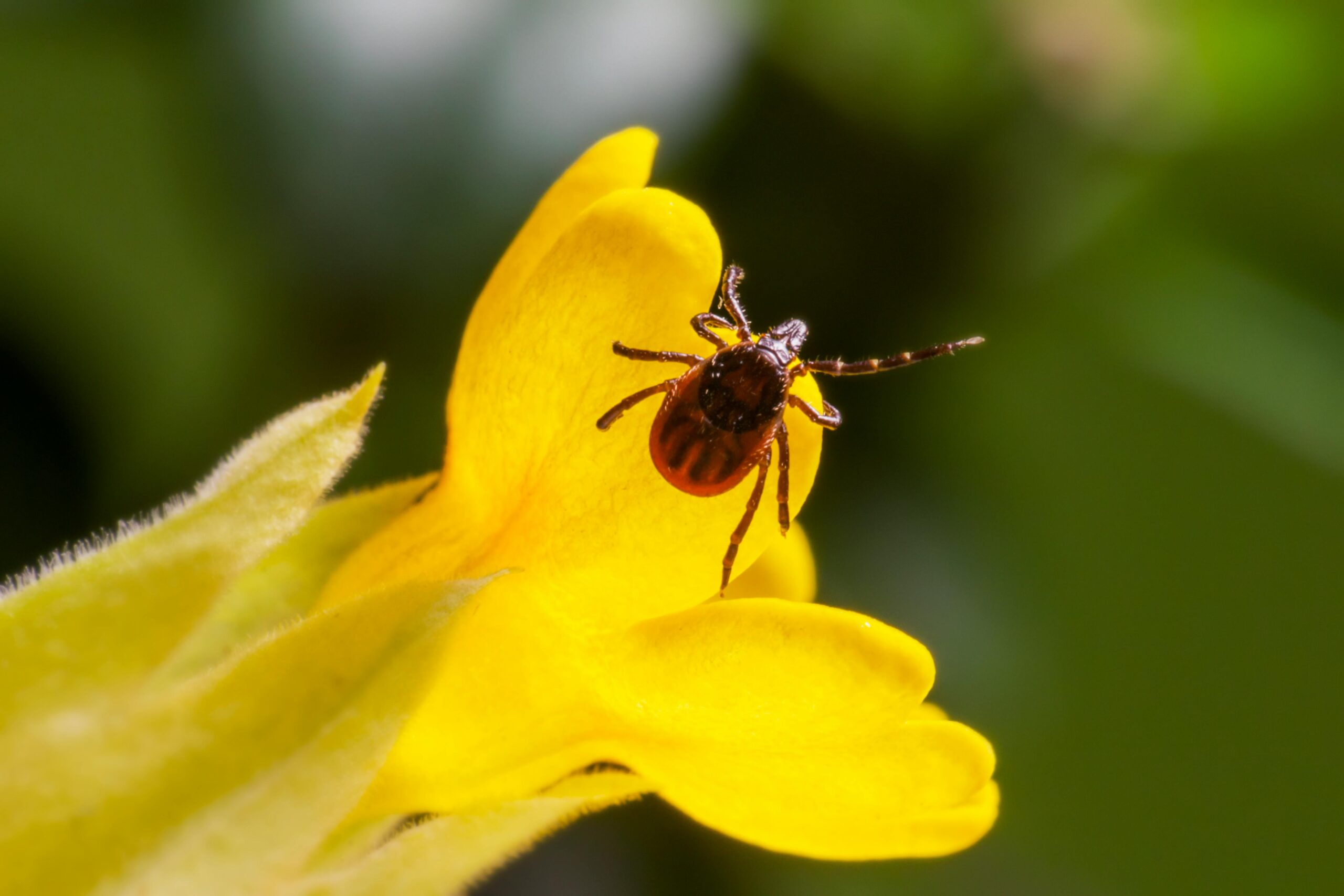
There are several types of ticks in Queen Creek, Arizona, with the most prevalent being:
- Brown Dog Tick (Rhipicephalus sanguineus)
- American Dog Tick (Dermacentor variabilis)
- Rocky Mountain Wood Tick (Dermacentor andersoni)
The Brown Dog Tick is particularly prevalent and can infest homes, kennels, and other areas where dogs live. The American Dog Tick and Rocky Mountain Wood Tick are often found in grassy and wooded areas and can attach to pets during outdoor activities.
Signs Your Pet Has a Tick
Ticks can be challenging to spot, especially in pets with long or thick fur. There are some red flags though, including:
- Visible ticks: Seeing a tick on your pet’s skin is the most obvious sign. They can vary in size from as small as a pinhead to as large as a pencil eraser when engorged (when they fill up on blood).
- Excessive scratching or biting: Pets may scratch or bite at a tick bite site, which can lead to irritation or secondary infections.
- Scabs or redness: The bite site may become red, inflamed, or develop a scab.
- Head shaking: Ticks that attach near the ears may cause shake their heads or paw at their ears.
- Lethargy: Ticks can transmit diseases that cause lethargy or general weakness in pets.
Fleas and Ticks Can Lead to More Parasites
Fleas and ticks are often thought to be the least harmful parasites, and in most cases they do tend to be on the less “scary” side. But there’s another reason why prevention of both is key: secondary parasitic infections.
Fleas Can Transmit Worms and Bacteria
Fleas carry tapeworms and, if your pet ingests a flea, they could become infected with not only the exterior flea parasites but also the intestinal parasite.
Fleas can also transmit the rickettsia bacteria to pets. This bacteria is responsible for typhus and, keep in mind, this one can be spread to humans as well. When the infected flea bites your pet, the skin is broken resulting in a wound. Even though it’s an incredibly small wound, the feces of the fleas can still make contact with that area resulting in infection.
Ticks Can Cause Tick Paralysis and Lyme Disease
Most people have heard of Lyme Disease, especially if they’re avid hikers, hunters, or even the general nature lover. What is lesser known is that this condition is spread by ticks. Over the course of several days, bacteria are passed carrying Borrelia burgdorferi, the cause of Lyme Disease.
Tick paralysis is also a concern, but this condition isn’t caused by a secondary infestation. This is caused by a reaction to the neurotoxin in a tick’s saliva. Since the American Dog Tick is fairly common in Arizona, this condition is of particular concern. Signs of tick paralysis include rapid heart rate, partial paralysis, and difficulty breathing. The tick must be removed promptly otherwise tick paralysis could be fatal.
Mites
Mites can cause serious discomfort and health issues for pets. Mites burrow into the skin, leading to intense itching, inflammation, and potential secondary infections.
There are several types of mites, but the ear mite is the most common type among cats and dogs and is often responsible for feline ear disease. Unfortunately, it can be difficult to tell when a pet has mites until they’re out of control, which is why veterinarians look under a microscope for detection.
Some signs that your pet has mites could include a rash around their ears, crusty ear discharge, unusual head shaking, excessive itching, and hair loss from scratching.
Intestinal Parasites
Common intestinal parasites in pets include hookworms, roundworms, coccidia, and giardia. Pets typically contract these parasites by ingesting eggs or larvae found in contaminated soil, water, or feces. These parasites can also be transmitted through contact with other infected animals or their feces.
Infected pets may exhibit symptoms such as diarrhea, vomiting, weight loss, and a distended abdomen. Other signs can include lethargy, dehydration, and poor coat condition. These parasites not only harm pets but can also pose a risk to humans, making prompt treatment and prevention essential. Regular veterinary check-ups, along with maintaining good hygiene and proper sanitation practices, can help prevent infestations. Administering preventive medications as recommended by your vet is also crucial in protecting your pet from these harmful parasites.
Intestinal parasites can be especially dangerous for young animals, elderly pets, or those with weakened immune systems. In severe cases, these parasites can cause significant health issues and even be life-threatening. Therefore, it is vital to monitor your pets for any signs of infection and seek veterinary care immediately if you suspect an infestation.
Using a General Dewormer
Intestinal parasites can be a serious health concern for pets, and some may not be detectable through standard fecal testing. For this reason, many veterinarians recommend administering a general dewormer to eliminate potential infections. It’s particularly important to deworm new pets, puppies, and kittens, followed by fecal testing to ensure they are free of parasites.
Regular deworming and fecal testing are essential in maintaining your pet’s health. Providing a monthly preventative can significantly reduce the risk of infestation, but if you choose this route, be sure to discuss it with your veterinarian first along with why you’re concerned. Dogs that frequent kennels, for example, may be at higher risk than dogs who are confined to their fenced-in yard.
Liver Flukes Identified as a Concern in March 2024
Scientists have been concerned about a parasite found in the Colorado River near the Arizona border. Once found in snails, dogs can take in the fluke during swimming due to consumption of infected water. The liver fluke, scientifically known as Heterobilharzia americana, can be fatal to dogs.
Concerns with the Liver Fluke
This particular liver fluke causes a condition called canine schistosomiasis. The signs associated with parasite infestation present gradually over time with the beginning signs including lethargic behavior and weight loss. Eventually this results in severe liver and intestinal disease.
The liver fluke burrows through a dog’s skin and tissues moving into veins, onto the lungs, intestine, and liver, where it completes maturation.
Diagnosis and Treatment
Fortunately, this parasite has been found to be easy to diagnose and there is treatment available. Tests known as antigen capture ELISA and polymerase chain reaction assay are used for H. americana detection. Imaging may also detect the inflamed intestinal walls or enlarged lymph nodes, liver, or spleen.
If your dog has been swimming recently and you notice these signs, contact Revel Vet for a fear-free appointment, explain which body of water your dog has been swimming in recently, and explain their symptoms.
Short-Term and Long-Term Health Impacts of Pet Parasites
Parasites can lead to severe health issues in pets, affecting their overall well-being.
Short-Term and Long-Term Health Impacts
In the short term, parasites cause discomfort, itching, and digestive problems in pets. They may show symptoms such as diarrhea, vomiting, and lethargy. If not addressed promptly, these infestations can progress to more severe health issues.
Long-term infestations can lead to significant health problems such as organ damage, chronic diseases, and weakened immune systems in both dogs and cats. Continuous exposure to parasites can severely impact a pet’s quality of life and longevity, causing them to suffer from persistent health issues and reduced quality of life.
Potential Complications and Diseases Caused by Parasites
Parasites can cause a range of serious diseases. For example:
- Ticks are notorious for spreading Lyme disease, which can lead to joint pain and neurological problems if left untreated.
- Mosquitoes can transmit heartworm disease, which affects the heart and lungs and can be fatal if not treated.
- Intestinal parasites like roundworms and hookworms can cause various infections, leading to severe gastrointestinal issues and nutritional deficiencies.
These conditions require prompt veterinary attention to prevent serious complications and ensure the health of your pet.
Preventive Measures for Pet Parasites
Preventing parasite-related diseases is more effective and less stressful than treating an infestation after it occurs. By following these preventive measures, you can protect your pet’s health and ensure their well-being.
Regular Vet Check-ups
Routine veterinary exams are crucial for early detection and prevention of parasite infestations. Annual or more frequent visits, as recommended by your vet, can help identify potential issues before they become serious health problems. During these visits, your vet will check for signs of parasites and will recommend specific preventive measures tailored to your pet’s needs.
Preventive Medications
There are various preventive medications available to protect pets from parasites like fleas, ticks, heartworms, and intestinal worms. These medications come in different forms, such as oral tablets, topical treatments, and injections. Consistent administration of these medications is essential for their effectiveness. Follow your vet’s guidance on the best preventive treatments for your pet, and ensure you adhere to the recommended schedule.
Home and Yard Maintenance
Keeping your home and yard clean and parasite-free is an important part of prevention. Parasites like ticks prefer long grasses and organic debris, so keeping your lawn manicured could prevent health complications.
Regularly vacuuming carpets, washing pet bedding, and using safe pest control methods in your yard can help reduce the risk of parasite infestations. Maintain a clean living environment to protect your pet from exposure to harmful parasites.
The Importance of Fecal Tests
Annual fecal tests are recommended to evaluate for possible infections. Fecal samples are tested using a fecal float or fecal evaluation by centrifugation. These tests will look for parasite eggs that aren’t detectable to the human eye.
This allows pet parents to take action early if necessary. The easiest time to do this is generally the annual physical exam, but it should be done sooner if pet parents have any concerns.
Helping with Veterinary Costs
The cost of treating parasites in pets can vary widely in Arizona. Common treatments can range from $50 to several hundred dollars, depending on the severity of the infestation and the type of parasite you’re dealing with. If your pet develops a secondary infestation or disease from the parasite, this could lead to significantly higher veterinary expenses. Prevention is better than treatment whether you’re looking at it from a health perspective or a financial viewpoint.
Pet insurance often helps with parasite prevention and treatment, so it may be something worth looking into. Pet insurance plans don’t cover pre-existing conditions so if it’s something you’re interested in, sooner would be better than later.
Make an Appointment to Check for Parasites
Preventing and treating parasites is vital for your pet’s health. Regular vet visits and following preventive measures can protect your pet from harmful infestations.
Schedule an Appointment to Check for Parasites
Schedule an appointment with Revel Vet for a thorough check-up and comprehensive care. Our fear-free team can provide the necessary support and guidance to keep your pet healthy and parasite-free.
For further reading, check out our sources here:
Fleas (Siphonaptera) – Factsheet for health professionals.
Heartworms in Dogs| Heartworm Society
Heartworm disease – Overview, intervention, and industry perspective – PMC
Mite Infestation (Mange, Acariasis, Scabies) in Dogs – Merck Veterinary Manual