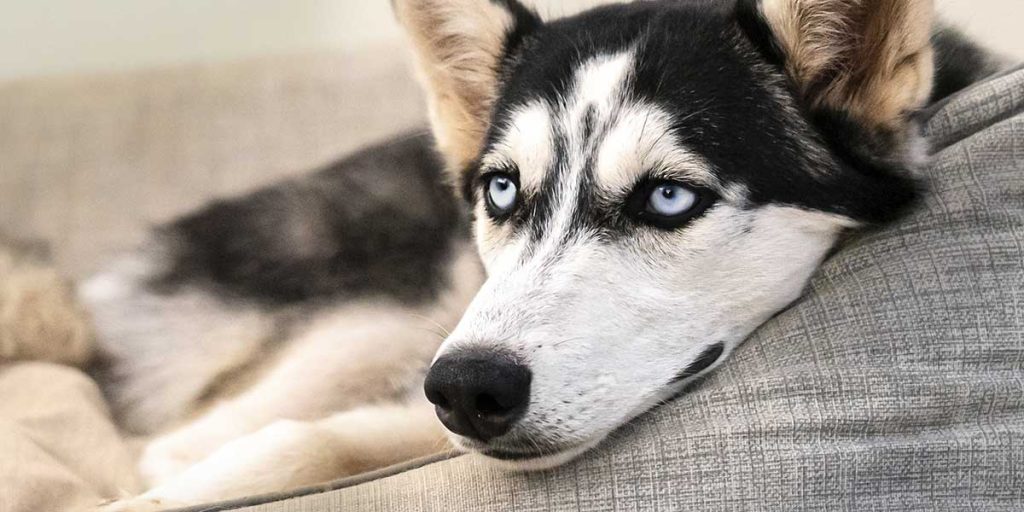
Everything You Need To Know About Cataracts in Dogs
If you’ve ever looked into your dog’s eyes and noticed a cloudy lens staring back at you, you may have wondered what’s going on. Many anxious pet parents bring their furry friends to the vet’s office for help and reassurance. After all, the thought of their dog losing vision can be scary.
One of the most common eye conditions that causes that “foggy” appearance is cataracts. The diagnosis often surprises people, who wonder, “Can dogs get cataracts?” They can, and for a variety of reasons, including genetics, injury, diabetes, or simple aging.
While cataracts in dogs are common, the right treatment can help slow their progression and protect your four-legged friend’s vision.
What Are Cataracts in Dogs?
A cataract is a change in the eye’s lens that causes it to become cloudy. This blocks light from reaching the retina, causing blurry vision or even full vision loss if left untreated.
Cataracts don’t usually appear overnight, but rather tend to develop gradually. Some of the most common signs that your pet is having trouble with their vision include:
- Cloudy or bluish-gray eyes
- Difficulty recognizing people or other pets
- Bumping into furniture and other objects
- Hesitation when moving around in dim light
- Behavioral changes, such as anxiety when walking in new environments
- Redness, eye discharge, or irritation
If you notice any of these issues, schedule an eye examination with your veterinarian to determine what’s going on. Although the doctor can identify cataracts, for a more in-depth diagnosis and treatment plan, they may refer you to a veterinary ophthalmologist, a specialist trained in diagnosing and treating eye diseases in animals. They’ll evaluate the health of your dog’s eye, determine the stage of cataract development, and explore treatment options, including surgery.
Why Dogs Develop Cataracts
Any dog can develop cataracts, but they’re most common in older animals. Just like people, senior dogs are more likely to experience changes in their eyes. In fact, the Cornell College of Veterinary Medicine reports that as many as 20% of dogs age 10 and older have cataracts.
A dog’s breed can also influence their chances of getting cataracts. Some breeds, like Cocker Spaniels, Poodles, Siberian Huskies, and Boston Terriers, have a stronger genetic predisposition to vision issues.
Another factor that increases a dog’s risk of developing cataracts? Diabetes. Diabetic dogs are at a much higher risk of cataracts due to changes in the lens caused by fluctuating blood sugar levels; Cornell reports that 75% to 80% of diabetic dogs develop cataracts within a year of diagnosis.
Less common causes of cataracts in dogs are eye injury and chronic eye conditions. Nutritional deficiencies, particularly in early life, can also contribute to the development of cataracts.
How Cataracts Affect Your Dog’s Life
Even though dogs have an incredible sense of smell, they still rely on their vision to navigate the world. Being unable to see clearly can make them anxious, hesitant, and even more dependent on you. Over time, cataracts can progress to complete vision loss, creating significant challenges.
The extent to which vision issues affect your dog depends largely on the stage of the condition. In the early stages, your dog may only experience problems with seeing in dim light. As the cataracts get worse, you might notice that they bump into furniture or have trouble recognizing people across the room.
Advanced cataracts can cause your pet’s vision loss to be so severe that they rely almost entirely on scent and sound for navigation. This blindness may be upsetting to you, but dogs are remarkably resilient and able to maintain a mostly normal life even when they can’t see well. Many dogs with vision impairments can live long, happy lives with the right support.
It’s also worth noting that cataracts themselves are not painful, a fact that helps many pet owners breathe a sigh of relief. Your dog isn’t suffering. The cloudy lens is simply blocking light.
That said, untreated cataracts can lead to secondary complications, such as glaucoma, which can be very painful and require additional treatment. Therefore, ongoing monitoring and care are essential to preserving your pet’s well-being and quality of life.
Treatment Options for Cataracts in Dogs
The second most common question after “Can dogs get cataracts?” is “How can we treat them?”
Unfortunately, cataracts don’t just disappear on their own. Once the lens becomes cloudy, there is no supplement, home remedy, or drop that can completely restore clear vision. There are options to help your pup, though, especially when you catch them early on.
If the cataracts are small and not significantly interfering with vision, your veterinarian may suggest regular check-ups and monitoring. At this stage, managing underlying conditions is also critical. For example, controlling blood sugar in diabetic dogs is crucial to slowing cataract progression.
Some dogs are candidates for surgical removal of the cataract, the most effective option for reversing vision loss. Removing the affected lens and replacing it with an artificial one, much like cataract surgery in humans, can restore near-normal vision. Dogs that were hesitant, anxious, or bumping into walls may suddenly regain confidence as their vision clears.
Post-surgery care usually involves:
- Medications such as antibiotics and anti-inflammatory drops
- Strict rest during recovery
- A protective cone to prevent rubbing
- Follow-up visits to ensure proper healing
Success rates for cataract surgery are high. Most studies report that over 90% of dogs regain functional vision when a skilled veterinary ophthalmologist performs surgery.
If surgery isn’t an option, many dogs adapt well to changes in their vision, especially if cataracts progress slowly. They rely heavily on smell and hearing, so mild vision loss may not affect them too much. However, for dogs with advanced cataracts, surgery can truly transform their quality of life.
How To Help a Dog With Vision Loss
If your dog starts losing their vision, and surgery isn’t an option, you can make their life easier (and safer) by making a few adjustments to your home and how you interact with your dog.
Vision-impaired dogs navigate by memory, so it’s especially important to keep furniture (both indoors and outside) in the same places. This isn’t the time to redecorate and rearrange rooms. Make sure that there are clear paths without any obstacles that your dog could bump into or trip over.
Using scent cues can also help your dog navigate their surroundings safely. Placing specific scents around different objects helps your dog identify places where they can lie down or alert them to dangers that they need to avoid. An unpleasant scent can repel them away from the top of a staircase, for example, so they don’t tumble down, while a more comforting aroma can help them locate their bed or the back door.
Your veterinarian can help you find the right scent markers or cues to use with your dog. Most are dog-safe essential oils. Using them as soon as your pet begins losing vision can help them associate the scents with different areas before they can no longer see, making that transition easier.
In addition to scent cues, you can also use verbal cues to help your dog during walks and playtime. Training your dog to respond to commands can keep them safer even when you’re out of the house.
Preventing Cataracts in Dogs
When pet parents learn that the answer to “Can dogs get cataracts?” is yes, they often want to know if it’s possible to keep them from forming in the first place. While you can’t always prevent cataracts, especially if your dog has a genetic predisposition to them, you can take steps to protect your dog’s eyes.
Regular veterinary check-ups allow doctors to detect signs of vision issues and recommend early treatment to slow disease progression. They can also provide nutritional recommendations, including foods rich in antioxidants that support eye health.
A healthy diet can also help reduce the risk of diabetes. A poor diet increases the risk of obesity, which stresses the pancreas and affects insulin production. However, if your pooch does develop diabetes, carefully managing their condition can help slow the progression of cataracts and other health problems.
Beyond diet and regular check-ups, maintaining your dog’s overall lifestyle health is also important. Protecting their eyes from injuries during play and addressing any health concerns early on all play a role in slowing the progression of eye disease. Proactive care throughout your dog’s life makes a difference in how severe or quickly cataracts progress.
Common Myths About Cataracts in Dogs
It’s normal to worry when you learn that a beloved pet has a health issue, especially one that isn’t reversible, like cataracts. There’s also a lot of misinformation out there about what it really means when a dog gets cataracts, which can increase your anxiety. While you should always talk to your veterinarian about your concerns and the best ways to help your dog, you don’t need to let common myths keep you up at night.
Myth #1: “Cataracts are just part of the normal aging process, and all dogs get them.”
While the risk of cataracts increases as dogs age, they’re not always inevitable. Many dogs go their entire lives without experiencing any vision problems. Keeping up with veterinary care, feeding your dog high-quality food, and staying alert to the signs of issues can help preserve your dog’s eyesight.
Myth #2: “Eye drops can cure cataracts.”
Some pet owners believe that treating their dog’s eyes with prescription eye drops will reverse the damage and restore vision. This is untrue. Medicated drops can help manage inflammation and potentially slow cataract progression; they don’t clear a cloudy lens.
Myth #3: “Blind dogs can’t live happy lives.”
Nothing could be further from the truth. Dogs that lose their vision typically adapt incredibly well to their condition. Although they may be a bit slower or more cautious than they were when they could see, they can still play and enjoy a long, happy life, especially when they have loving support from their families.
Is Your Dog Having Vision Trouble? Seek Compassionate Care at Revel Vet
Cataracts may sound intimidating, but with the right care plan, many dogs live comfortably for years. If you’ve ever wondered, “Can dogs get cataracts even when they seem perfectly healthy?” the answer is yes, which is why preventive vet visits are so important. Catching the problem early means you and your veterinarian have more options for protecting your pup’s eyesight and overall well-being.
Although cataracts are a concern for dogs of any age, if you’re caring for senior pets, you need to be even more vigilant for changes in your dog’s vision and the potential for problems like cataracts.
At Revel Vet in Queen Creek, AZ, we know how much your dog means to you. Cataracts can feel overwhelming, but you don’t have to navigate them alone. Our caring team is here to guide you through diagnosis, treatment options, and ongoing support so your pup can live their happiest, healthiest life.
If you’re concerned about your pet’s eye health, call us today at (480) 701-8609 to schedule an eye examination.
FAQs About Cataracts in Dogs
The Revel Vet team is happy to answer all your questions about dog eye care and cataracts. Here are some of the most frequently asked questions by pet parents.
Do Cataracts Always Cause Complete Vision Loss?
No, not always. Some cataracts remain small and only slightly affect vision, while others can progress to complete blindness if untreated. Early detection and treatment can slow the progression and preserve vision for a longer period.
Is Cataract Surgery Safe for Dogs?
When performed by a veterinary ophthalmologist, cataract surgery for dogs is generally safe and has a high success rate, with up to 80% of dogs regaining near-perfect vision after the procedure.
Can Canine Cataracts Go Away on Their Own?
Unfortunately, cataracts don’t clear up without treatment, and most will get progressively worse over time. The only proven way to restore vision in advanced cases is through surgical removal.
Can Dogs Get Cataracts Even If They’re Young?
Although cataracts are most common in senior dogs, some breeds are genetically predisposed to developing them at a younger age.