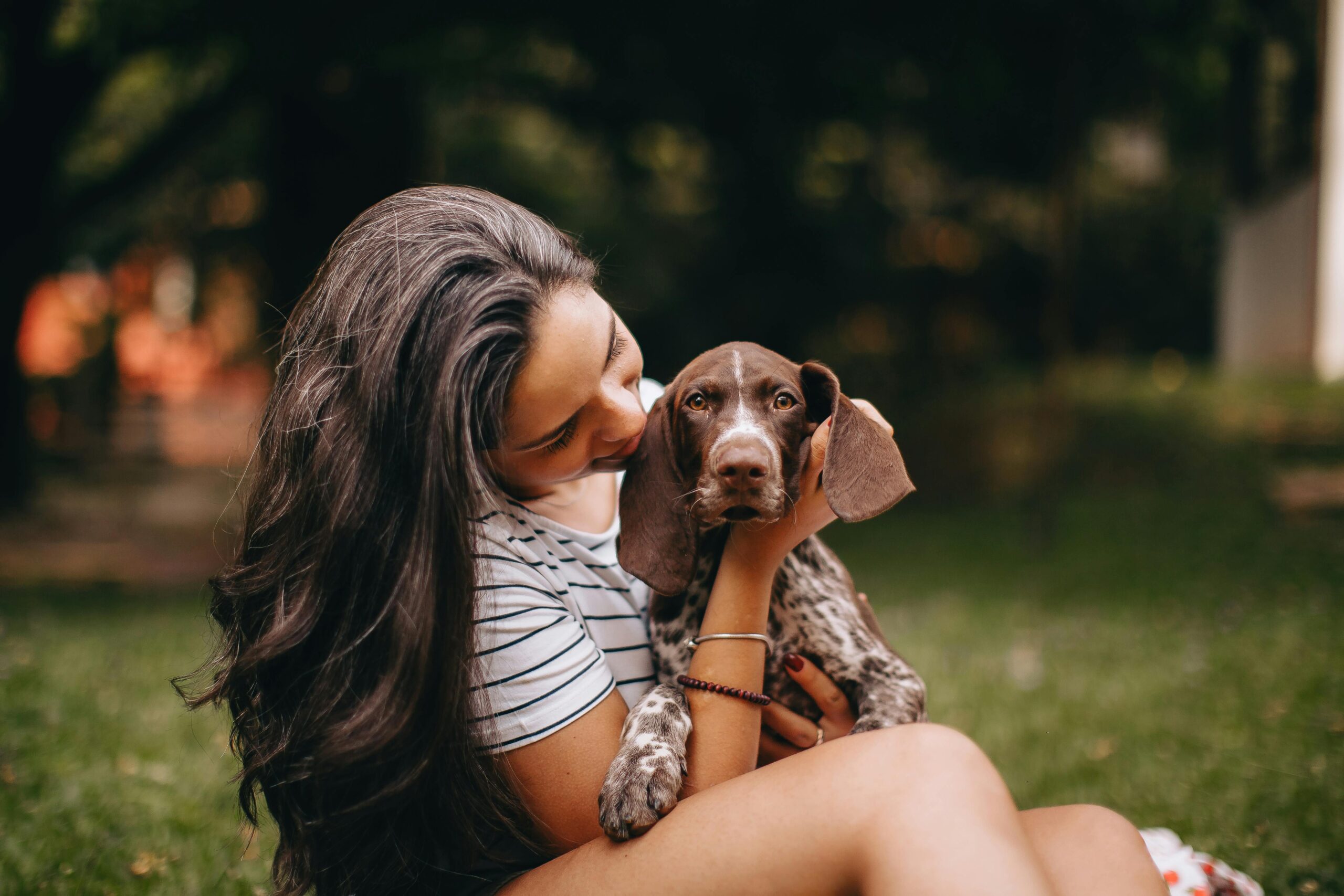
9 Ways to Calm an Anxious Dog
Understanding how to calm an anxious dog is important for both their well-being and a peaceful home environment. When your dog feels anxious, it can lead to behaviors that are stressful for both the dog and the household as a whole. By learning ways to soothe your dog, you help them feel safe and secure, which can prevent anxiety from getting worse. This not only improves your dog’s happiness but also strengthens the bond you share together, creating a positive and trusting relationship.
Getting to know the signs of canine anxiety, ways to help calm your anxious dog, and when to talk to your veterinarian are all key details when it comes to helping your pet.
Understanding Canine Anxiety
Anxiety in dogs can stem from various sources, with separation, loud noises, and unfamiliar environments being some of the most prevalent triggers. Separation anxiety often happens when a dog is left alone or separated from their pet parent, while loud noises like thunderstorms and fireworks can induce fear. Unfamiliar environments, like moving to a new home or encountering new people, can also cause significant stress.
Recognizing anxiety in your dog is crucial for early intervention. Observe your dog’s behavior regularly and monitor for signs of stress, fear, or anxiety. Common signs include excessive barking, which often signals distress, destructive behavior such as chewing or digging, and restlessness, where the dog may pace or act agitated. Changes in appetite, such as refusing food or eating less, can also indicate anxiety.
Signs of Separation Anxiety in Dogs
Separation anxiety is usually triggered when a dog is left alone, especially if they are deeply bonded with their owner. Most commonly, separation anxiety happens when you leave the house, but in severe cases, dogs may even experience this form of anxiety when you’re in a different area of the house.
Sudden changes in routine, such as a new work schedule, or moving to a new home can also contribute to this form of anxiety.
Dogs suffering from separation anxiety may exhibit behaviors like pacing, which indicates restlessness or stress, excessive drooling as a physical manifestation of anxiety, and attempts to escape, potentially resulting in damage to doors, windows, or other parts of the home.
Dogs and Loud Noises
A fear of loud noises is common in dogs. They’re biologically programmed to be fearful of loud noises, but some have a more significant reaction than others.
Common noise triggers for dogs include:
- Thunderstorms: The combination of loud claps of thunder, flashes of lightning, and pressure changes can be overwhelming for dogs.
- Fireworks: The unpredictability and intensity of fireworks can lead to severe anxiety.
Noise phobias usually start early in life, with most dogs showing fear around one or two years old. While these fears often worsen with age, it’s less common for dogs who have never experienced fears of noise to develop this phobia after their 6th birthday. If an older dog suddenly becomes fearful of noises, it could be a sign of pain or another underlying health problem.
Signs of Noise Phobia
When faced with loud noises, there are a list of signs your dog may display:
- Hiding: Your dog may hide to try to escape the noise.
- Tremors: Dogs who are extremely fearful may have tremors, tremble, or cower due to the fear.
- Destructive behavior: When dogs are scared, some tend to dig, scratch, or chew inappropriately.
- Urinating or defecating: Dogs with fear of loud noises may urinate or defecate in the house during times with loud noises, like fireworks or thunder.
Your dog may also pant excessively, salivate, become overwhelmingly jumpy, or bark excessively.
Unfamiliar Environments
Unfamiliar environments could cause anxiety in our dogs, similar to how it does in many of us. Example causes of this type of anxiety include:
- Moving to a new home: Relocating can be stressful for dogs as they lose the comfort of familiar surroundings and face the challenge of adapting to a new environment.
- Introducing a new family member: Adding a new pet or baby to the household can disrupt your dog’s routine and sense of normalcy, leading to anxiety.
- Staying in hotels during travel: The unfamiliar smells, sounds, and overall atmosphere of a hotel can be unsettling for dogs, especially those accustomed to a stable home environment.
9 Ways to Calm an Anxious Dog
There are numerous methods available to help calm an anxious dog, depending on the specific triggers and the dog’s unique personality. Some dogs may respond well to one approach, while others may benefit from a combination of techniques. Pet owners can try multiple strategies to find what works best for their dog.
Create a Safe Space
Setting up a comfortable, quiet area where your dog feels safe is essential in reducing anxiety. This space should be a retreat where the dog can relax and feel safe during stressful situations. Most of the time this is a crate, but if your dog doesn’t use a crate, you can show them a safe room in your home where they can retreat when necessary.
Exercise and Physical Activity
Regular exercise is essential for helping dogs manage stress and channel excess energy that might otherwise contribute to feelings of anxiety. When a dog doesn’t get enough physical activity, that pent-up energy can manifest as nervousness, restlessness, or even destructive behaviors.
By incorporating daily walks, play sessions, and other forms of exercise into your dog’s routine, you give them an outlet to release this energy in a positive way. Exercise not only helps to physically tire your dog out but also stimulates their mind, which is equally important in maintaining their overall well-being. A dog that is both physically and mentally fulfilled is more likely to be calm, balanced, and less prone to anxiety-related issues.
Consistent Routine
Maintaining a consistent daily routine is one of the most effective ways to reduce anxiety in our dogs. Dogs thrive on predictability, and when they know what to expect from their day, it can significantly lower their stress levels.
A regular schedule for feeding, walks, playtime, and bedtime provides a sense of security and stability. This consistency helps your dog feel more in control of their environment, as they learn to anticipate what will happen next.
For example, knowing that they will be fed at the same times each day or that walks occur regularly can prevent the anxiety that comes from uncertainty. A stable routine helps establish healthy habits, reinforcing good behavior and making it easier for your dog to adapt to any changes that may occur.
Medications From the Pharmacy
There are a handful of medications that your veterinarian can recommend to help dogs with anxiety, whether it’s situational or chronic. These medications include:
- Clomipramine (Clomicalm): This medication is often recommended for dogs with separation anxiety. It could take up to 6 weeks to help.
- Dexmedetomidine (Sileo): Sileo is used to help with situational anxiety. This could be for dogs afraid of loud noises like fireworks or thunderstorms.
- Diazepam (Valium): Valium may help dogs with panic disorders.
- Fluoxetine (Reconcile or Prozac): Dogs with separation anxiety may benefit from fluoxetine, but it can take 4-6 weeks to be effective.
- Lorazepam (Ativan): Ativan is a short-acting medication that could help with situational anxiety. It takes about 30 minutes to take effect.
- Alprazolam (Xanax): Similar to Ativan, Xanax works in about 30 minutes and can help with moderate to severe situational anxiety.
- Gabapentin: Often used for it’s pain-relieving and anticonvulsant effects, gabapentin can help with short-term anxiety. When taken about 90 minutes prior to a stressful event, it can be helpful to reduce feelings of stress and overwhelm.
- Amitriptyline: This medication may be recommended for generalized anxiety.
Talk to a Fear-Free Revel Vet to Find Out if Medication is Right For Your Dog
Calming Supplements
Natural remedies, including CBD oil, calming chews, and pheromone diffusers, can be highly effective in helping to reduce mild cases of anxiety in dogs. These options may provide a more gentle approach compared to pharmaceuticals, making them a popular choice among pet owners who prefer to avoid stronger medications.
CBD Oil and Calming Chews
CBD oil, derived from the hemp plant, has gained recognition for its calming properties, helping to soothe dogs who are prone to anxiety, whether it’s due to loud noises, separation, or other stressors. Calming chews, often infused with ingredients like chamomile, L-theanine, and valerian root, can also help to ease nervousness and promote relaxation in a way that’s easy to administer and enjoyable for your pet.
Releasing Pheromones
Pheromone diffusers mimic the natural calming pheromones that dogs produce, creating a sense of comfort and safety in their environment. These diffusers can be particularly useful during events that typically cause stress, such as thunderstorms, fireworks, or when introducing a new pet into the home.
Training and Desensitization
Behavioral training techniques, particularly desensitization and counterconditioning, are powerful tools in reducing anxiety in dogs over time. These methods are designed to gradually expose your dog to the things that trigger their anxiety in a controlled way, helping them build resilience and develop a more positive association with these triggers.
Repeated Exposure
Desensitization involves slowly and repeatedly exposing your dog to a low level of the anxiety-inducing stimulus, such as a specific noise, situation, or object, in a way that is not overwhelming.
Over time, the intensity of the exposure is gradually increased as your dog becomes more comfortable and less reactive. This method allows your dog to acclimate to the trigger without feeling threatened, reducing their overall sensitivity and fear response.
Positive Association
Counterconditioning, on the other hand, works by changing your dog’s emotional response to the anxiety trigger. This technique pairs the presence of the trigger with something positive, such as a favorite treat or toy, to create a new, more pleasant association.
If your dog is afraid of thunderstorms, you might play their favorite game or give them a special treat when a storm is approaching, helping them associate the noise with something enjoyable rather than something to fear.
Soothing Sounds
Soothing sounds, like calming music or white noise, can be highly effective in reducing anxiety in dogs by masking or drowning out anxiety-inducing noises like thunderstorms or fireworks. These sounds help create a more serene environment, promoting relaxation and easing stress.
Music for Calming Dogs
Music designed specifically to calm dogs can be particularly effective in alleviating anxiety. This type of music typically features slow tempos, gentle tones, and minimal fluctuations, which can help your dog relax and feel more secure.
Using these sounds strategically, such as during stressful events or when you’re away, can significantly reduce anxiety and improve your dog’s overall well-being. Simply search on YouTube and you’ll find exactly what you’re looking for.
Positive Reinforcement
Rewarding calm behavior is one of the most effective strategies for managing anxiety in dogs. When your dog stays relaxed in situations that would normally cause them stress, offering rewards such as treats, praise, or affection reinforces that calm behavior.
This positive reinforcement helps your dog understand that staying calm leads to positive outcomes, which in turn encourages them to remain composed in future stressful situations. Over time, your dog will begin to associate potentially anxiety-inducing events with positive experiences, making them more likely to maintain their calmness.
On the other hand, punishment for anxious behavior can have the opposite effect, often worsening the anxiety rather than alleviating it. When a dog is punished for behaviors that stem from anxiety, such as barking, whining, or pacing, it can increase their fear and confusion, making the anxiety even worse.
Interactive Toys and Puzzles
Interactive toys and puzzles offer essential mental stimulation for dogs, keeping them engaged and distracted from anxiety triggers. These activities not only help reduce stress but also encourage problem-solving skills and focus, which can occupy your dog’s mind in a productive and calming way.
Commonly Asked Questions
There are a handful of questions that often come up when it comes to canine anxiety.
Why are dog crates recommended so often?
Your dog’s crate serves as their safety zone. It’s similar to how wolves feel secure in their den. Dogs often see this area as the main place to seek comfort.
Can my dog’s diet affect their anxiety levels?
Yes, diet can play a role in your dog’s anxiety levels. A balanced diet rich in essential nutrients supports overall health, including the nervous system. Some supplements, like omega-3 fatty acids, may help reduce inflammation and support brain function, which can be beneficial for anxious dogs. Additionally, avoid foods or treats with excessive sugar or artificial ingredients that could contribute to hyperactivity.
Can anxiety cause health problems?
Yes, chronic anxiety in dogs can lead to various health problems. Prolonged stress can weaken the immune system, making dogs more susceptible to infections and illnesses. It can also cause gastrointestinal issues, such as vomiting or diarrhea, and may contribute to the development of skin conditions like excessive licking, hot spots, or hair loss. Anxiety can also exacerbate existing health issues, leading to a decline in overall well-being.
Consult a Veterinarian
If your dog’s anxiety is severe or persists despite trying various methods, consulting a veterinarian is essential. A professional can assess your dog’s condition, rule out any underlying health issues, and recommend appropriate treatments, including medications or individualized therapies. It’s important to choose a fear-free veterinary practice, which focuses on creating a calm and stress-free environment during visits.
These practices use gentle handling, calming techniques, and a pet-friendly approach to minimize anxiety, ensuring a more comfortable experience for your dog. Additionally, the veterinarian can offer guidance on integrating various treatments and strategies to create a comprehensive plan tailored to your dog’s specific needs.
For further reading, check out our sources:
Prevalence, comorbidity, and breed differences in canine anxiety in 13,700 Finnish pet dogs
Genetic Characterization of Dog Personality Traits
Effectiveness of treatments for firework fears in dogs – ScienceDirect
Canine anxieties and phobias: an update on separation anxiety and noise aversions