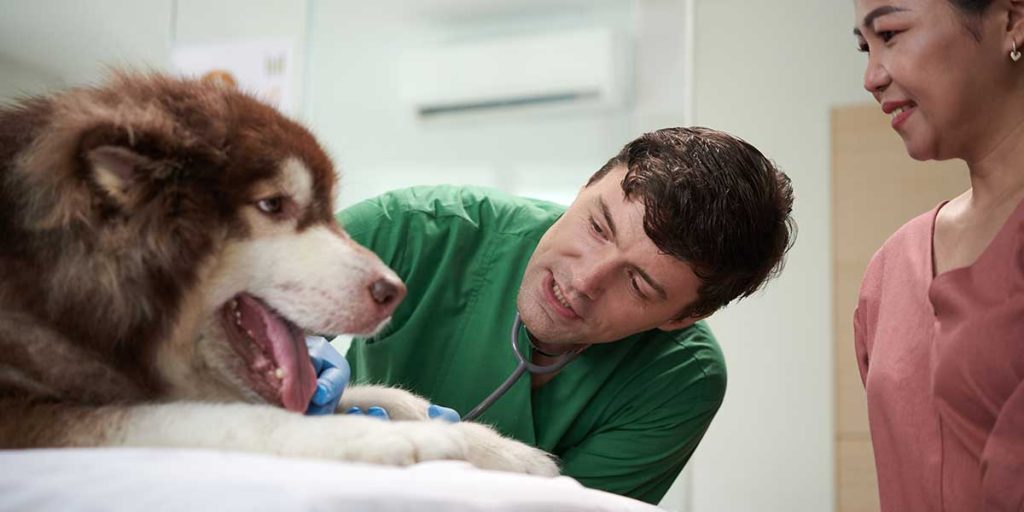
How Often Should I Take My Dog to the Vet for a Checkup?
If you’re a new dog parent, you might wonder, “How often should I take my dog to the vet?” It’s a great question, and like most things in life, the answer isn’t one-size-fits-all. Like people, dogs have different health needs depending on their age, breed, lifestyle, and personalities, but the top Queen Creek emergency veterinarians are here to provide some clarity.
Regular checkups help keep your furry companion healthy and foster a strong relationship between you and your veterinarian. You can ask questions, discuss concerns, and gain valuable insights into your dog’s health and behavior that will help give them a happy life for as long as possible.
Every Dog Is Different: Deciding How Often To Visit the Vet
Several factors influence how often pet owners should take their dogs to the vet:
- Age. Puppies and older dogs need more frequent visits.
- Breed. Some breeds have a higher risk of conditions that require treatment; for example, Great Danes and Irish Wolfhounds are prone to problems like hip dysplasia due to their size.
- Medical history. If your dog has a condition like diabetes, arthritis, or heart disease, they’ll need ongoing visits to manage it.
Some dogs might also need to see the doctor more often for follow-ups after surgery or treatment for an injury or illness.
Vet Visit Schedules for Different Life Stages
Although your dog’s overall health determines the answer to “How often should I take my dog to the vet?” their age is the biggest factor in calculating the right frequency. Different life stages come with unique health needs; regular checkups can help ensure your furry friend remains healthy and happy.
Puppies
If you have a new puppy, you might ask, “How often should I take my dog to the vet?” Puppy vet visits typically occur every three to four weeks until they’re about four months old.
Why so often? Puppies need core vaccines, including distemper, parvovirus, and rabies. Puppies are also more prone to intestinal parasites, and regular vet visits allow for blood tests, screenings, and parasite prevention treatments to ensure they are healthy.
These visits also ensure everything’s on the right track physically and behaviorally. Think of them not just as medical checkups but as a chance for you to ask questions, learn about diet and training, and establish a baseline for your pup’s future care. The vet can help you with socialization, training, and overall puppy care to set the stage for a well-behaved adult dog.
Adults
Once your dog is a year old, they probably only need to see the vet for annual wellness exams. In addition to keeping your pet on track with their vaccination schedule, the vet will test for concerns like parasites and heartworm, perform a dental check, and assess your dog’s overall health with a physical exam to detect emerging issues.
It’s easy to skip vet visits for healthy adult dogs, but these routine health screenings can catch health problems early on. Many illnesses, like kidney disease, dental diseases, or arthritis, can creep up quietly. Your vet might spot something you wouldn’t notice at home and help avoid more serious health problems.
Seniors
Dogs age faster than we do, and by the time they’re around seven years of age, they are “senior dogs.” That doesn’t mean they’re old and frail; they simply need more attention.
Veterinarians recommend twice-yearly visits for older dogs. Senior dog checkups often include bloodwork and more in-depth screening to monitor organ function, joints, weight changes, and cognitive health. Since dogs are experts at hiding pain or discomfort, it’s worth checking on changes in appetite or behavior sooner rather than later.
Some senior dogs may also have special healthcare needs. Seeing the vet more often can help with:
- Managing chronic conditions
- Preventive screenings for early signs of health problems that aren’t showing symptoms yet
- Pain management
- Nutrition and weight management
Sticking to a vet visit schedule based on your pet’s life stages helps them live a long, healthy life. And the more often your pooch sees the vet, the more comfortable they’ll be, which makes vet visits easy for everyone.
Does Your Dog Need Attention Between Visits?
There are times when you shouldn’t wait for your dog’s next annual wellness checkup to see the vet. Call the doctor if you notice:
- Vomiting or diarrhea that lasts longer than 24 hours
- Sudden weight loss or gain
- Excessive itching or hair loss
- Lethargy, limping, or behavioral changes
- Difficulty breathing or coughing
- Trouble urinating or defecating
Building a Relationship With Your Vet
Regular veterinary checkups are vital to your dog’s overall health and well-being. Preventive care visits not only allow for early detection and intervention of potential health issues but also provide an opportunity to receive valuable guidance on nutrition, behavior, and more.
So the answer to “How often should I take my dog to the vet?” is as frequently as needed. Staying ahead of potential problems is crucial. After all, dogs give us unconditional love; giving them regular care in return is the least we can do.
A good veterinarian isn’t just someone you see once a year. They’re your partner in your dog’s health journey. The more your vet knows about your dog, the better care they can provide.
If you’re looking for a vet to help you take great care of your dog, make an appointment at Revel Vet for a stress-free experience.
FAQs
Do Small Dogs Need Fewer Vet Visits Than Big Dogs?
Not necessarily. Smaller breeds tend to live longer and have different health challenges than larger dogs, but all dogs benefit from regular wellness checks.
What Should I Do If My Dog Hates Going to the Vet?
Some dogs don’t love the vet, but regular checkups are essential, so talk with the doctor about how to make the experience less stressful.
How Often Should I Take My Dog to the Vet If They’re Healthy?
Even if your dog seems healthy, annual checkups are essential to catching hidden issues, keeping your dog on track with vaccinations, and preventive care.