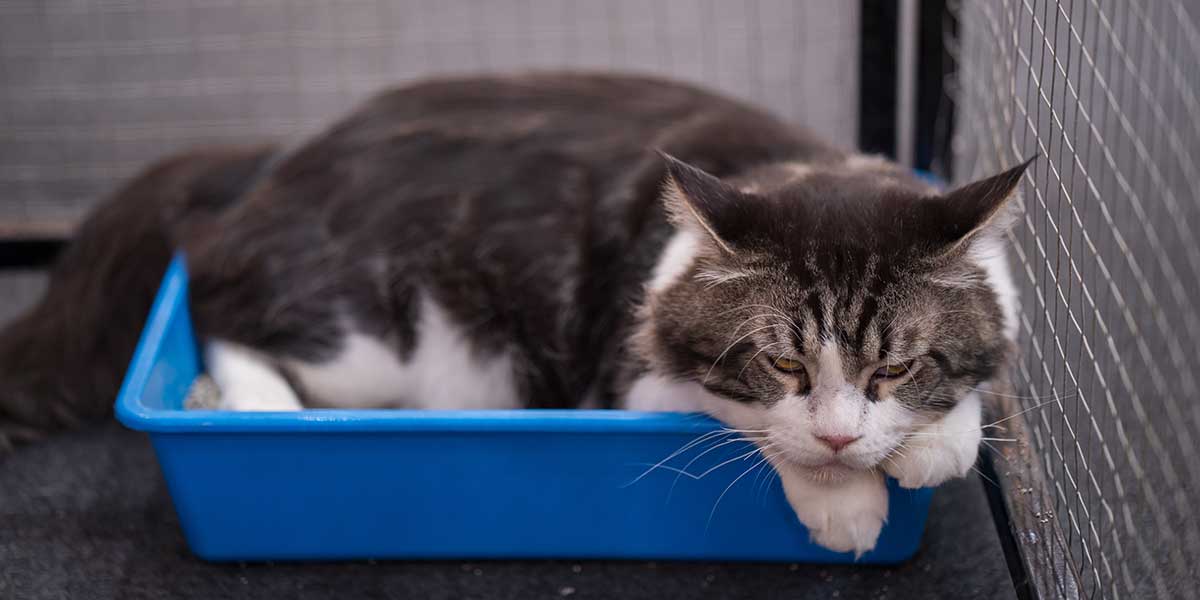
How Do You Know If a Cat Is in Pain?
Cats are known for their healing purrs, which are known to soothe stress, among other anecdotal benefits. However, their self-restoring powers only go so far, and it can be difficult to tell when an injury or illness crosses the line. Cats are uniquely good at hiding long-term pain, so it’s critical to understand subtle signs of discomfort and know how to address them.
Any changes in your cat’s normal behavior are warning signs that require the attention of a certified veterinarian. Head to Revel Vet to find a trusted veterinarian in Queen Creek, AZ, and get to the bottom of your pet’s pain.
What Are the Most Common Causes of Pain in Cats?
There are a few common causes of pain that pet parents should be on the lookout for. A veterinarian should carefully examine your furry friend to determine the cause of their pain, which will dictate the treatment plan.
Arthritis
Like humans, cats are prone to arthritis and its accompanying joint pain as they age. Cats affected by this condition will experience reduced mobility and may struggle to squat and use the litter box or be unable to get onto their favorite perch.
They might also have accidents around the house or have scruffy, matted fur because they can’t groom themselves properly.
Cancer
Unfortunately, cats can develop cancer that causes severe pain. The treatment for these diseases mirrors those in human cases: surgery for tumor removal, radiation, and chemotherapy.
Consistent veterinarian visits are key to catching the disease early and improving treatment outcomes.
Dental Disease
Dental problems are common in cats and can be very painful. Oral issues will cause changes in their eating or drinking habits, and you might notice weight loss.
Gingivitis, an inflammation of the gums caused by plaque build-up, is the biggest culprit in feline dental health. If this condition progresses to periodontitis, it causes irreversible tooth breakdown and loss.
Proper oral care is essential to prevent these issues. Cat owners should use brushing and dental treats to maintain their furry friend’s teeth and stay consistent with veterinarian visits.
Urinary Tract Infections
If your cat struggles to use the litter box, urinates more frequently, or begins excessive grooming habits around their groin, a urinary tract infection may be the underlying cause. These infections typically need antibiotic treatment, and it is essential to catch them early before complications arise.
What Are the Signs a Cat Is in Pain?
Cats can’t verbally express their pain and are masters at hiding it, so how do you know if a cat is in pain?
Behavioral changes, such as shifts in eating habits and activity levels, are the most common signs that your pet is unwell. Keeping an eye out for the following is a critical part of cat care:
Changes in Vocalization
If your cat growls, hisses, or meows and purrs more than usual, it’s likely a warning sign of pain. Pet owners should pay close attention to these behavioral changes and seek professional care if they persist.
Altered Grooming Habits
Cats are known for keeping themselves clean, but if they’re in pain, these habits will fall by the wayside. This indicates joint pain, limited mobility, or a lack of energy that needs investigation.
Changes in Litterbox Habits
A change in your cat’s litterbox habits might include visiting more or less frequently, struggling to urinate, and changes in stool. These may indicate sickness or injury.
Accidents outside of the litterbox are also indicators of pain due to a urinary tract infection or arthritic joints.
Unusual Body Posture and Facial Expressions
A cat’s body language is an important marker of their health. If a cat is experiencing issues such as abdominal pain, they may tremble or seem tense. They might, for example, adopt a hunched or arched posture for extended periods.
They may also grimace, lower their ears, squint their eyes, and let their whiskers droop. Squinting, in particular, may indicate eye injuries.
Loss of Appetite
A sudden change in eating habits is cause for concern when it persists for longer than 24 hours. Sickness or pain from an injury causes a loss of appetite.
Avoidance or Hiding Behavior
If your cat is less social than usual and you find them hiding under the bed, in closets, or behind furniture where they don’t usually spend time, this behavior may be a response to pain.
Increased Aggression or Irritability
A normally docile cat may become aggressive and bite or yowl if experiencing acute pain. This is one of the less subtle signs of pain and is cause for an immediate veterinarian visit. Sometimes, these reactions occur when someone touches a painful area on the cat without realizing it.
Consult Revel Vet for Cat Pain
If your cat exhibits symptoms of pain that persist for longer than 24 hours or appears to be in severe pain, seek professional medical advice. The Revel Vet team provides comprehensive exams and pain relief treatments for various health issues. Our veterinary medicine experts will suggest treatment options for underlying medical issues to prevent further injury and complications.
Whether your cat’s health is compromised by parasites, injury, or cancer, our team has the experience to tackle various health problems.
Enjoy peace of mind that your feline friend is in exceptional hands. Contact us today to address behavioral changes or other health concerns.
FAQ About Cat Health
Revel Vet understands how stressful cat pain can be, so our team answers the most common questions about this concern.
When Should I Take My Cat to the Vet?
You should take your cat to the veterinarian annually for check-ups and vaccines. You should also take them in if they are sick or injured or if they display changes in behavior for longer than 24 hours.
Why Isn’t My Cat Eating?
Your cat may not be eating because of sickness or injury. It’s vital to take them to the veterinarian for an assessment.
Why Is My Older Cat Having Accidents?
Your older cat may have accidents outside the litterbox because they’re struggling with joint pain from arthritis. Learn about pain management options from your veterinarian to find a solution.