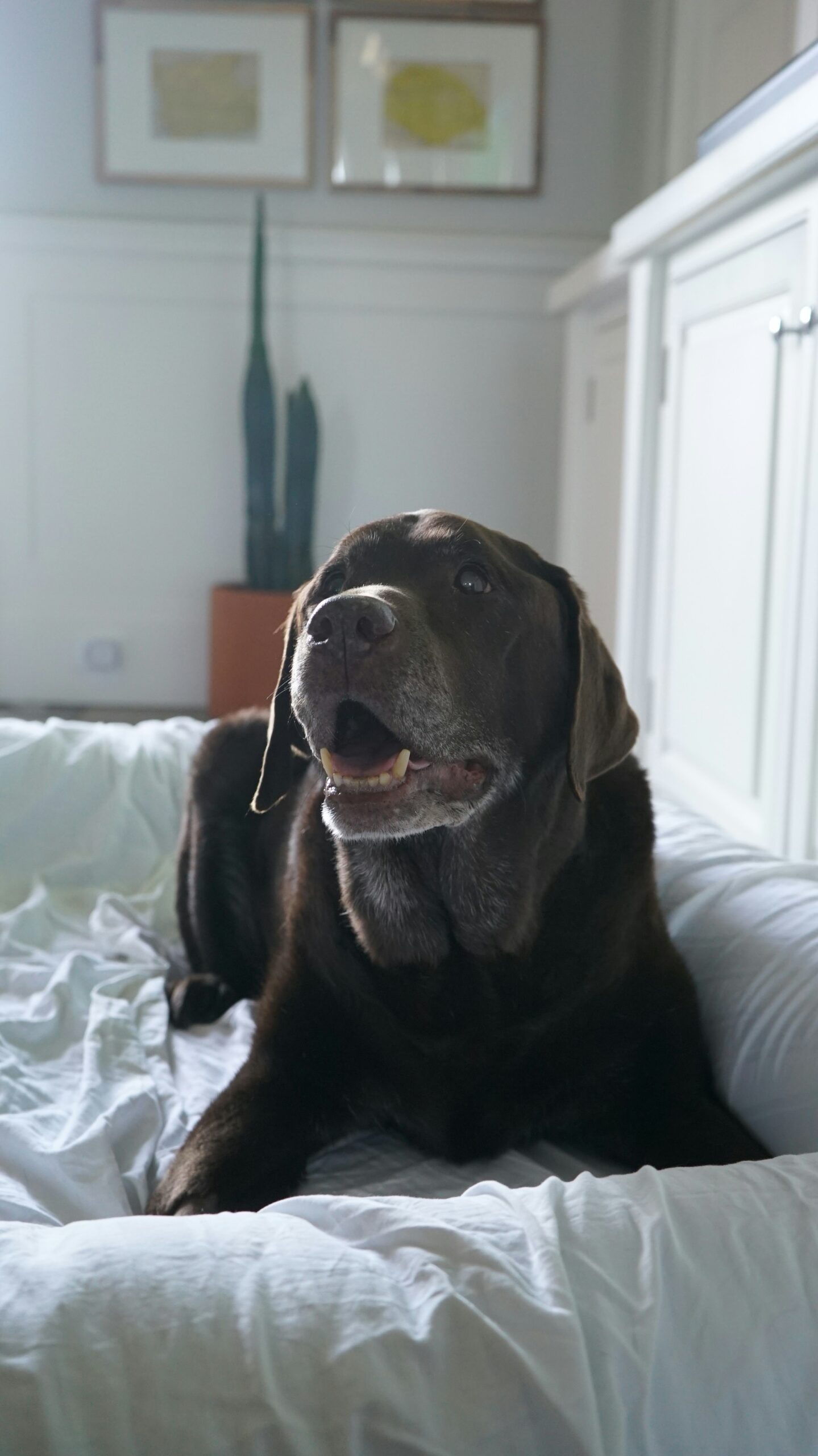
8 Practical Ways to Care for Senior Dogs and Cats
As our pets grow older, they enter a new phase of life that brings both rewards and challenges. Much like people, senior cats and dogs can face changes in their health, energy levels, and daily needs, requiring a bit more care and attention to keep them comfortable and happy.
But with a proactive lifestyle medicine approach, older dogs and cats can enjoy their golden years to the fullest. In this blog, we’ll explore what defines a “senior” pet and share practical, compassionate tips on how to care for your furry family member as they transition into this stage of life.
When Is Your Pet Considered “Senior”?
We would be lying if we did not answer you with: It depends.
Breed, genetics, lifestyle, nutrition, and health history can all impact when your pet begins to show senior characteristics. After all, each dog and cat is an individual, and in the animal world there are no senior discounts after reaching their equivalent of age 65.
For dogs, senior status is typically tied to their size. Small, medium, and large sized breeds up to 90 pounds are considered senior around 8 – 10 years of age, while giant breeds over 90 pounds may reach senior classification starting around age 6.
Cats tend to have a more uniform aging process compared to dogs, so they’re usually considered senior around 10 years of age.
How Will I Know If My Pet Is Showing Signs of Aging?
It can be both difficult to admit and recognize changes in your pet when you see them day in and day out. We completely understand, which is why having a bi-annual veterinary exam is so important for monitoring your pet’s continued health.
Some subtle physical and behavioral changes that signal your pet may be entering their senior years, include:
- Mobility changes, with many pets experiencing stiffness or limping, making movement slower and more painful. Older pets may also struggle with stairs, jumping onto furniture, or hopping into the car.
- Weight and appetite fluctuations — slower metabolisms can lead to weight gain, while dental issues or kidney problems may cause weight loss or decreased appetite.
- You might notice that your pet’s eyes appear cloudy, a common sign of aging in dogs, or that they don’t respond as quickly to their name or loud noises, possibly due to hearing loss.
- Many older pets become more anxious or have moments of disorientation, which can be linked to cognitive decline. Their sleep patterns might change, with some sleeping more deeply or for longer periods, while others may experience disrupted sleep.
- Bathroom habits can also shift, as senior pets may need to urinate more frequently, sometimes resulting in accidents, or struggle with defecation due to slower digestion or joint discomfort.
- You might notice a drier, duller, or more brittle coat, and some pets develop benign lumps or bumps that should still be checked by a vet.
- Senior pets often show reduced interest in play and may have lower energy levels, needing more rest and shorter exercise sessions.
8 Practical Tips for Enhancing Your Older Pet’s Life
It wouldn’t be Revel Vet if we didn’t give you some solutions. Print this out and post it on your refrigerator as a reminder of how to make the most of life for your older cat and dog.
- Regular Veterinary Check-ups
Senior pets should have check-ups every 6 months (instead of annually). This allows for early detection of age-related diseases, like arthritis, kidney disease, and diabetes, and improves outcomes. It is also important as part of the preventative plan to do routine blood work, which can identify issues before they become serious. - Manage Weight and Diet
We recommend portion control of nutrient-dense foods with lower calories for less active pets. Prescription diets may also help manage specific health concerns. Weight gain strains joints and organs, worsening arthritis and other conditions. Monitor your pet’s weight closely and adjust as needed. Your Revel Veterinarians are here to assist and support in any way we can, including with a comprehensive pet pharmacy that offers special diet options. - Prioritize Mobility and Comfort
As your pet becomes more susceptible to arthritis, you may consider joint supplements or medications. Changes in your home environment, like non-slip rugs, ramps, and heated beds, can also help reduce strain on sore joints. It is a good idea to keep your older pets moving, but focus on low-impact exercise, like gentle walks or swimming, to maintain muscle mass and joint flexibility. - Have a Dental Health Plan
Work with your Revel Veterinarian to put a dental care plan in place! Dental disease can lead to pain, difficulty eating, and systemic infections. At home, you can implement brushing and dental chews to help maintain oral health between vet visits. - Provide Mental Stimulation
Seniors thrive on predictability, so it is important to maintain daily routines to reduce anxiety and cognitive decline. To prevent boredom, provide enrichment activities in the form of puzzle feeders, gentle training, and interactive toys to keep your senior pets engaged. - Observe Eye and Ear Health
Vision and hearing can diminish with age, which may cause confusion or anxiety. Make safety adjustments around your home by keeping a consistent layout. Depending on your pet, you may consider adding gates to block stairs and other hazards. - Monitor Behavior Changes
Changes in eating, drinking, sleeping, or potty habits can indicate health issues. We encourage open lines of communication! Reach out to us if you notice any unusual behavior, as early intervention is key. - Give Some Extra TLC
Older pets may need more frequent grooming as they may not groom themselves as well. Patience, gentle handling, and extra attention to hygiene and comfort go a long way.
Caring for a senior pet is a rewarding journey that requires patience, understanding, and a bit of extra attention to their changing needs. By staying mindful of the signs of aging and providing proactive, compassionate care, you can help ensure your pet’s golden years are comfortable and fulfilling. Regular veterinary visits, adjustments to diet and exercise, and simple home modifications can make a big difference in your pet’s quality of life.
Remember, each stage of life brings its own joys. Senior pets are worth their weight in gold. With the right care, your pet can continue to enjoy their life with you, the best human ever.
