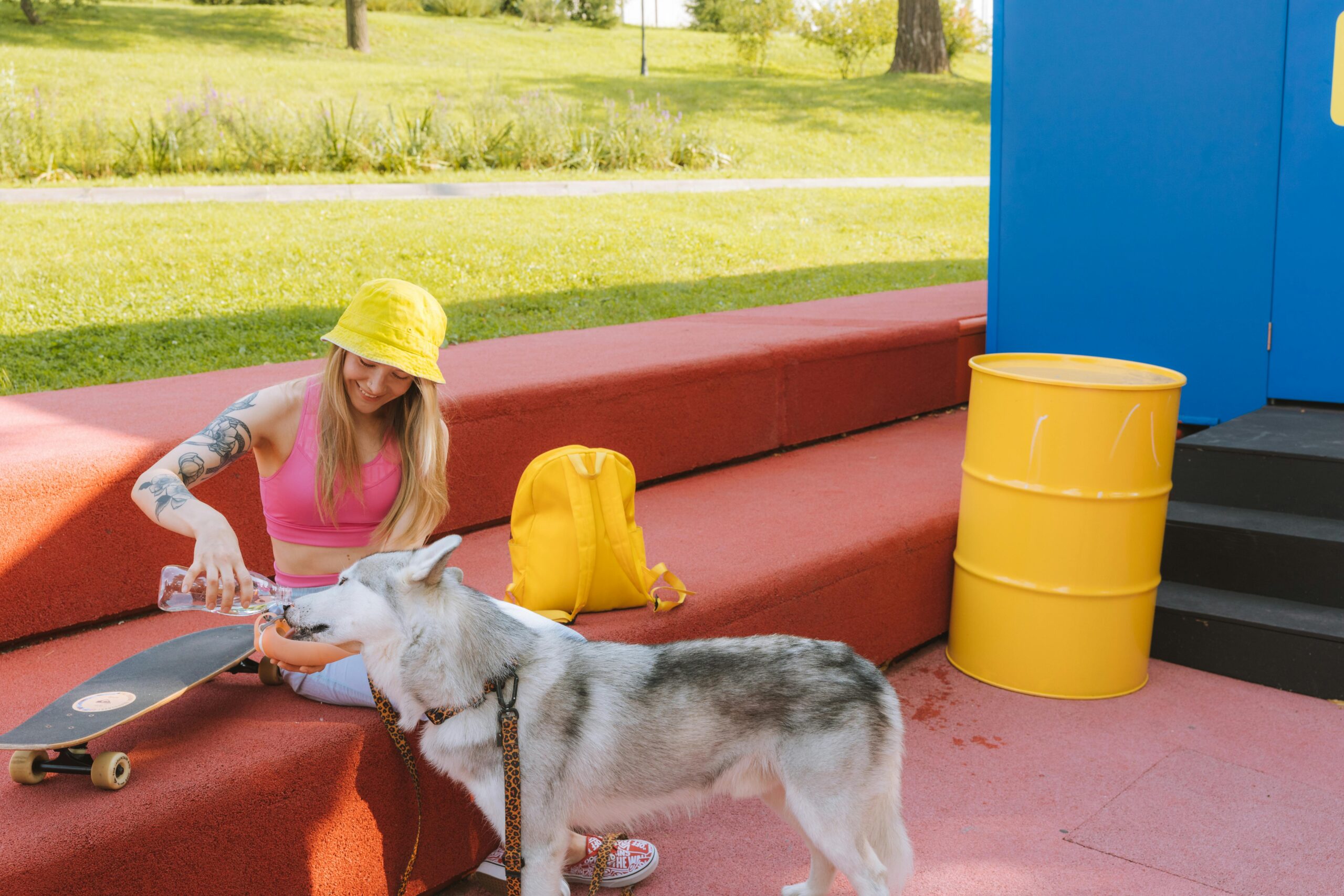
Keeping Your Dog Hydrated in the Arizona Heat
Keeping your dog hydrated in the scorching heat of Queen Creek, Arizona, is essential for their health and well-being. As temperatures soar, the risk of dehydration and heat-related ailments increases significantly. Understanding your dog’s hydration needs and implementing effective strategies can make a big difference. This article provides practical tips and insights on ensuring your furry family member stays well-hydrated, happy, and healthy during the hot summer months in Queen Creek.
Understanding Hydration Needs
Under normal conditions, your dog should be drinking approximately one ounce of water per pound of body weight daily. This amount serves as the minimum requirement to ensure proper hydration. Ensuring your dog meets this water intake is crucial for their overall health, particularly in hot climates like Arizona.
Why Hydration is Crucial
Water plays a vital role in your pet’s body, supporting essential functions such as digestion, circulation, and temperature regulation. For example, hydration is responsible for:
- Helping regulate body temperature: Water cools the body and helps to maintain a steady body temperature.
- Maintain urinary health: Insufficient water intake can lead to urinary tract infections and potentially the formation of urinary crystals.
- Supporting kidney health: When the body is well-hydrated, the body is able to flush toxins from the body. Without a sufficient amount, this may not occur.
In hot weather, pets lose more water through panting and evaporation from their skin, increasing their need for hydration. Ensuring they drink enough water helps maintain their health and prevent heat-related issues.
Signs of Dehydration
Recognizing the signs of dehydration early can make a significant difference in your pet’s well-being. Common signs include:
- Lethargy: Reduced energy levels and reluctance to move, indicating your pet is feeling weak or unwell.
- Dry nose and gums: A lack of moisture on the nose and gums is a clear indicator of dehydration.
- Sunken eyes: Eyes may appear dull and sunken, signaling that your pet is not getting enough fluids.
- Loss of skin elasticity: When pinched, the skin takes longer to return to its normal position.
Early detection and prompt action are crucial in preventing severe dehydration and associated complications. If you observe any of these signs, provide water immediately and consult your veterinarian if the symptoms persist.
Strategies to Keep Pets Hydrated
Providing constant access to fresh, clean water is the most straightforward way to keep your pets hydrated. Here are some tips to ensure water remains cool and appealing:
Fresh Water Access
Your dog should always have access to fresh water. To ensure fresh, cool water is available, use the following ideas:
- Multiple water stations: Place several water bowls around your home and yard.
- Frequent refills: Refill water bowls regularly to keep the water fresh and cool.
- Cooling methods: Use ice cubes or chilled water to maintain a refreshing temperature.
Try a Water Fountain
A water fountain can provide your dog with a constant supply of fresh water, which is especially important during the hot summer months in Arizona. These fountains encourage some dogs to drink more frequently by keeping the water moving, which many dogs find appealing.
The flowing water helps to stay cooler and more oxygenated than standing water in a bowl. Plus, many pet water fountains come with filters that remove impurities, ensuring that your dog has access to clean, healthy water throughout the day.
Hydration-Boosting Foods
Incorporating water-rich foods into your pet’s diet can significantly boost their hydration levels. Consider the following options:
- Cucumbers: High in water content and safe for dogs.
- Watermelon: Ensure it is seedless and fed in moderation.
- Wet pet food: Switch from dry kibble to wet food, which contains more moisture.
These foods not only provide hydration but also serve as tasty treats that pets enjoy.
Clever Solutions
If your dog is particularly picky and doesn’t tend to drink enough water, it’s time to get creative to ensure they stay hydrated and healthy. Ideas include:
Adding Extra Water to Food
While you can’t add a large amount of water to your dog’s food bowl, incorporating a small amount can still be beneficial. Even a modest addition of water can help increase your dog’s overall hydration, especially in hot weather.
Mixing water into their food makes it easier for your dog to consume more fluids without even realizing it. This simple step can contribute significantly to keeping your pet well-hydrated, supporting their health and well-being during the hotter months.
Make Doggy Ice Pops
Some dogs can be picky with water but absolutely love ice cubes. If this describes your pooch, you can make ice cubes even healthier by mixing in healthy vet-approved fruits and bone broth. A silicone ice cube tray works just fine; there’s no need to run out and buy something fancy.
Make Your Pup a Smoothie
Whip up a nutritious, delicious smoothie for your picky puppy. Keep in mind that this isn’t meant to be sugar-filled. All you need is a handful of strawberries and blueberries (or green veggies) and a small amount of unsweetened Greek yogurt.
Portable Water Solutions
When you’re on the go, it’s essential to have portable water options for your pets. Here are some recommendations:
- Portable water bottles: Designed specifically for pets, these bottles often come with attached bowls.
- Travel bowls: Lightweight and collapsible, making them easy to carry.
- Hydration packs: For longer outings, consider packs that can store more water.
Carrying these solutions ensures your pet has access to water during walks, hikes, or trips.
Special Considerations
Tailoring hydration strategies to your pet’s individual needs can help prevent dehydration and other heat-related issues.
Pets with Special Needs
Some pets require extra attention when it comes to hydration, especially senior pets, puppies, and those with medical conditions. Here are some tips for managing their hydration:
- Senior pets: Monitor water intake closely and offer frequent small amounts.
- Puppies: Ensure they have access to water at all times and avoid overexertion in the heat.
- Medical conditions: Consult with your veterinarian for specific hydration needs and recommendations.
Make an Appointment with Revel Vet
Not All Water is Equivalent
Water from puddles, ponds, and lakes may not be the best drinking source for your pup. Most of the time they’re alright, but there is a chance that they could be harboring dangerous parasites.
The other situation that many pet parents are unaware they need to be concerned about is the water bowls around the dog park. Although the intent is good, it’s best not to let your dog share stagnant water with other dogs. Plus, you don’t know what kind of pesticides have made it into that bowl or how long it’s been sitting.
Preventing Heat-Related Illnesses
Heat-related illnesses are common, especially in the hot Arizona sun. Unfortunately, our dogs can’t exactly talk to us to tell us how they’re feeling and, let’s be honest, would they? If they’re having fun running around with their dog buddy, playing fetch, or having fun in general, they may not want to stop.
Recognizing Heatstroke
Heatstroke is a serious condition that can be life-threatening if not addressed promptly. Signs include:
- Excessive panting: Rapid, heavy breathing, indicating your pet is struggling to cool down.
- Salivation: Excessive drooling as the body tries to manage the heat.
- Disorientation: Confusion or lack of coordination, showing that your pet is affected by the extreme temperature.
- Vomiting: Nausea and vomiting, which can further dehydrate your pet.
If you notice these signs, take immediate action to cool your pet down and seek veterinary care without delay. Move them to a shaded area, provide cool (not cold) water, and apply cool, wet towels to their body to lower their temperature gradually. Quick and decisive action can save your pet’s life.
Cool Down Techniques
Helping your pet cool down can prevent heatstroke and other heat-related illnesses. Here are some effective techniques:
- Cool mats: Use cooling mats or cooling blankets that absorb body heat.
- Shaded areas: Ensure your pet has access to shaded or air-conditioned areas.
- Fans: Use fans to promote air circulation and cooling.
- Avoid hot surfaces: Keep your pet off hot pavement and surfaces during walks.
Implementing these strategies can significantly reduce the risk of heat-related issues.
Keep an Eye on Your Pup
Ultimately, it’s important to keep a close eye on your furry family members. Monitor their water intake and observe how often they urinate. If you notice they haven’t urinated in a while, it may be time to increase their water intake.
Should you observe any signs of dehydration, it’s crucial to take action. Bring them inside to cool off and hydrate, or visit Revel Vet for professional care to ensure they get the necessary hydration and treatment.
To learn more, check out our sources here:
Evaluation of Three Hydration Strategies in Detection Dogs Working in a Hot Environment – PMC
A Randomized Cross-Over Field Study of Pre-Hydration Strategies in Dogs Tracking in Hot Environments